

 Español
 عربى
عربى русский
Interior construction increasingly demands materials that combine durability, visual appeal, and practical installation. SPC Board has emerged as a reliable option for flooring, wall cladding, and decorative surfaces across residential and commercial environments. Its rigid structure, moisture resistance, and design flexibility make it suitable for projects where both performance and appearance matter.
Key Benefits of SPC Board in Commercial Applications
Durability in High Traffic Areas
Commercial spaces such as retail stores, offices, and restaurants experience continuous foot traffic. SPC Board is resistant to scratches, dents, and general wear. The rigid core structure helps maintain flatness over time, even under heavy use.
In addition, its moisture resistance makes it suitable for entrances, kitchens, and restrooms where spills may occur.
Moisture and Water Resistance
Traditional wood-based materials can swell or deform when exposed to humidity. SPC Board does not absorb water in the same way, making it stable in environments with fluctuating moisture levels.
Installation Efficiency and On-Site Practicality
Time and labor costs influence material selection. SPC Board is lightweight compared to traditional stone-based materials, allowing easier handling during transportation and installation.
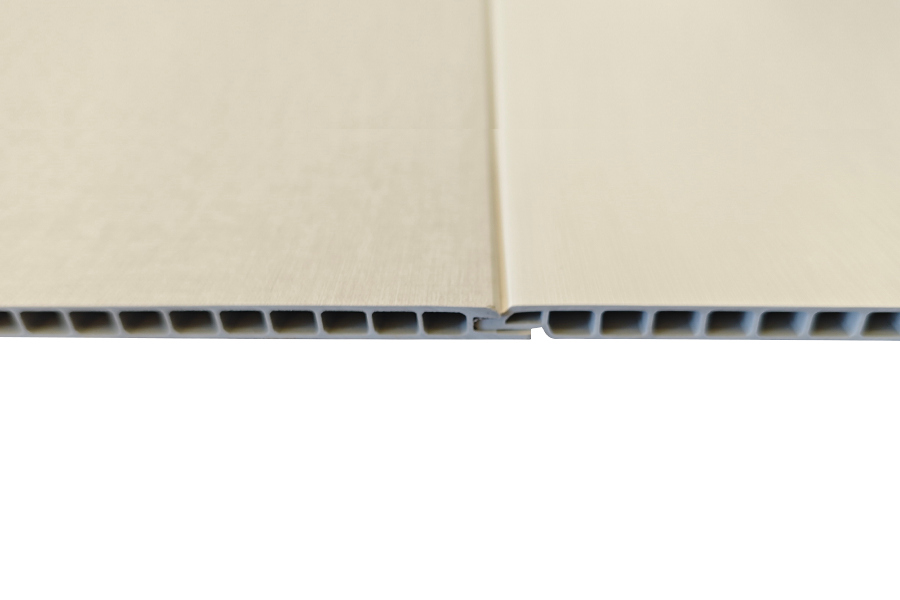
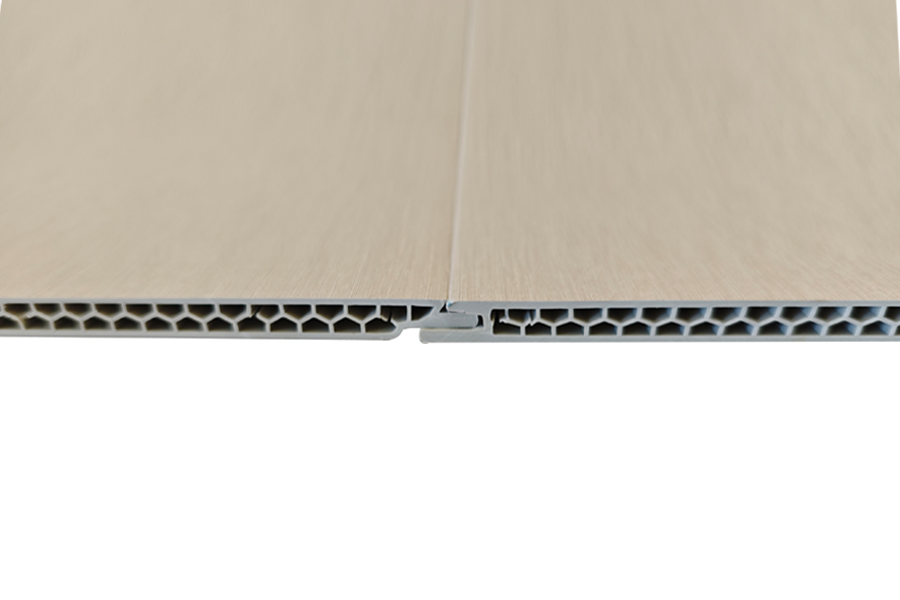
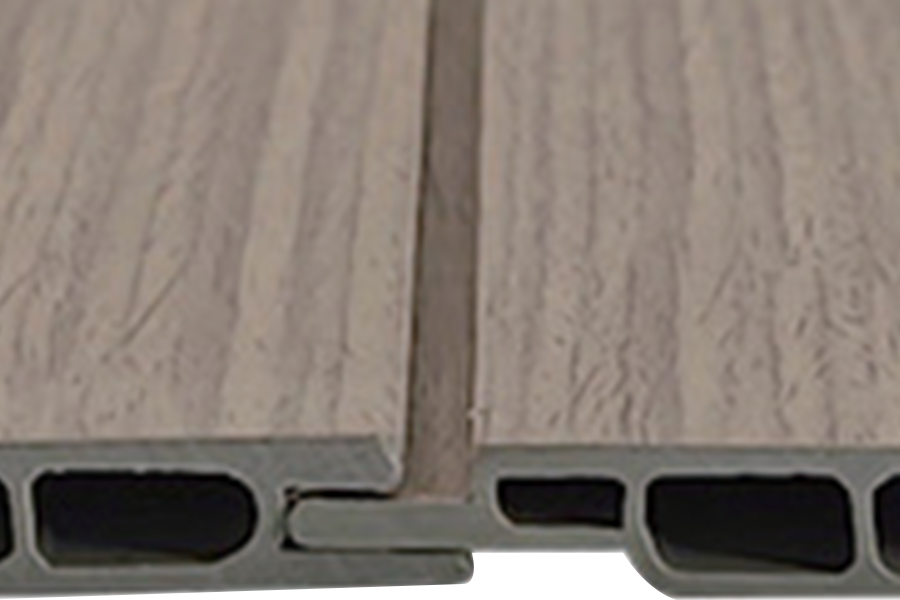
Many boards are designed with click-lock systems. This reduces the need for adhesives and simplifies alignment. Contractors can complete projects faster, especially in large open areas.
A reliable SPC Board Manufacturer typically tests locking mechanisms for strength and repeated use to reduce the risk of joint separation after installation.
Acoustic and Comfort Performance
Noise control is a concern in offices and multi-story buildings. SPC Board offers sound insulation properties due to its dense core and optional underlayment layer. Footstep noise can be reduced compared to traditional ceramic or stone flooring.
In office environments, this contributes to a more stable working atmosphere. In residential buildings, it reduces noise transmission between floors.
Applications Across Industry Segments
Residential Spaces
Living rooms, kitchens, and bathrooms benefit from the moisture resistance and easy maintenance of SPC Board. The surface can be cleaned with standard household solutions, and no refinishing is required.
Office and Retail Environments
In commercial interiors, flooring must handle constant movement while maintaining visual appeal. SPC Board supports branding concepts through custom patterns and coordinated colors.
Industrial and Utility Areas
Warehouses and light industrial spaces often require materials that resist impact and are easy to maintain. SPC Board can be used not only for flooring but also for wall coverings to provide surface protection and visual organization.
Maintenance and Lifecycle Considerations
Maintenance requirements influence operational costs. SPC Board surfaces resist staining and can be cleaned with water and mild detergent. Unlike solid wood flooring, no sanding or sealing is required over time.
This simplifies facility management in commercial settings. The rigid core structure also maintains its shape under temperature variation within standard indoor ranges.
Environmental Considerations
SPC Board is manufactured using recyclable components. During production, controlled processes reduce volatile organic compound emissions compared to some traditional flooring materials.
For projects with indoor air quality considerations, sourcing from a compliant SPC Board Manufacturer supports regulatory alignment.
Choosing the Right SPC Board for Your Project
Material selection should consider:
- Expected traffic level
- Exposure to moisture
- Subfloor condition
- Desired surface texture
- Thickness requirements
Discussing technical specifications directly with an SPC Board Manufacturer allows adjustments to core density, wear layer thickness, and decorative finish to match project conditions.
SPC Board continues to gain attention across construction and renovation sectors due to its balance of durability, installation efficiency, and design adaptability. With stable manufacturing standards and appropriate specification planning, it provides a reliable surface solution for a wide range of interior environments.