

 Español
 عربى
عربى русский
Enhancing Environments With Acoustic Panels
Acoustic panels are specialized solutions that manage sound reflections, absorb unwanted noise, and improve the overall listening experience in different environments. In spaces where clear communication, concentration, or immersive audio is necessary, these panels play a vital role. They are widely implemented in offices, educational institutions, theaters, and home studios.
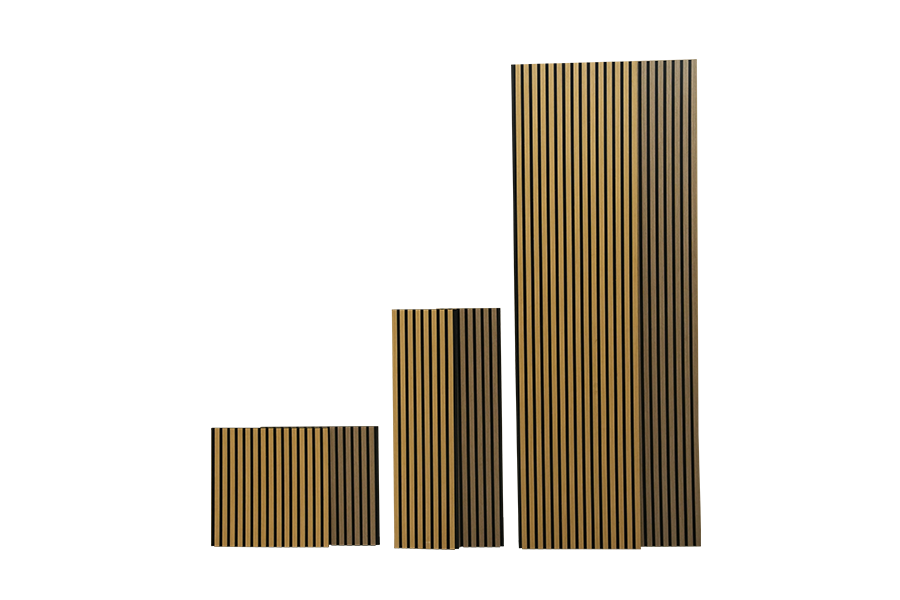
By integrating acoustic panels, organizations can create more comfortable and functional spaces. Beyond their technical function, panels can also enhance interior aesthetics, allowing them to serve a dual purpose.
How Acoustic Panels Manage Sound
The primary function of acoustic panels is sound absorption. When sound waves hit a hard surface, they bounce back, creating echo and background noise. Acoustic panels capture these waves, preventing reflections and reducing the ambient noise level.
In professional environments, this improvement translates to clearer conversations, fewer distractions, and increased productivity. For example, in open-plan offices, acoustic panels can help separate noisy areas from quiet zones, allowing employees to focus better. In meeting rooms, they reduce reverberation, ensuring presentations and discussions are easier to follow.
Sound Benefits in Public Spaces
Educational spaces also benefit significantly. Classrooms equipped with acoustic panels reduce disruptions caused by hallway noise or crowded areas, helping students concentrate and teachers deliver lessons effectively. In theaters and auditoriums, panels help distribute sound evenly, creating a consistent auditory experience for audiences, whether they are seated at the front or back.
Types of Acoustic Panels and Their Applications
Different types of panels address different acoustic challenges:
Fabric-Wrapped Panels
These panels consist of a sound-absorbing core wrapped in fabric. They are popular in office and institutional settings because they combine acoustic efficiency with design versatility. Fabric-wrapped panels come in various colors and textures, which makes them suitable for spaces where aesthetics matter.
Foam Panels
Foam panels are lightweight and easy to install. They are effective at controlling high-frequency noise, making them ideal for home studios, recording rooms, and small entertainment spaces. Their modular design allows flexible placement depending on the acoustic needs of the room.
Wooden Acoustic Panels
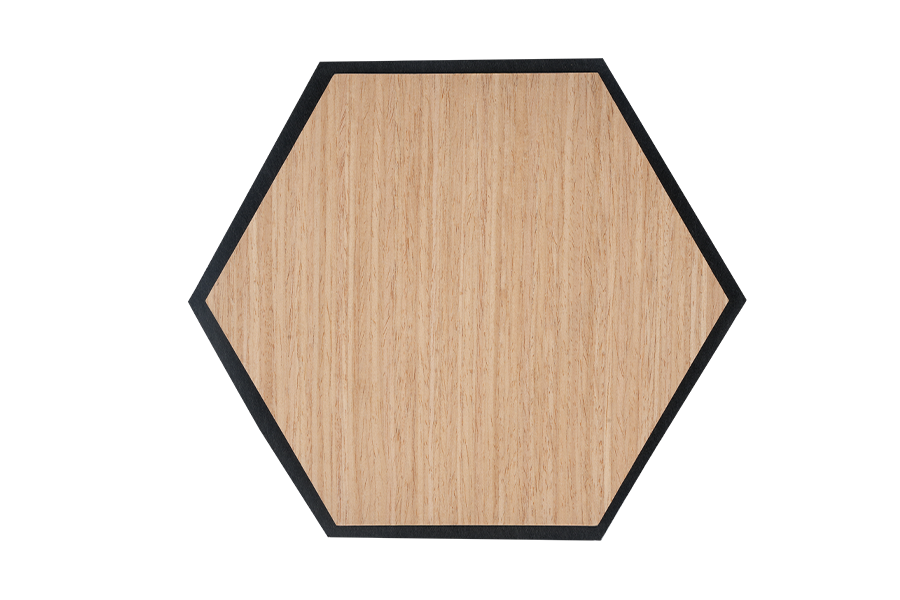
Wooden panels provide a natural and warm appearance while delivering sound management capabilities. These panels are commonly used in executive offices, auditoriums, or other environments where design sophistication is important. The combination of natural materials and acoustic performance makes wooden panels an attractive option.
Partnering with an experienced acoustic panel factory can help in selecting the correct type and design of panels based on the space size, noise levels, and visual requirements.
Installation and Maintenance Considerations
Proper installation is key to achieving desired acoustic results. Acoustic panels can be mounted on walls, ceilings, or even suspended from overhead structures, depending on the layout of the space. Many panels are designed for straightforward installation, often requiring basic tools and minimal structural modifications.
Design and Aesthetic Flexibility
Acoustic panels are not only functional but also contribute to interior design. They are available in various colors, finishes, and patterns, allowing integration into any decor style. Choosing panels that complement a space can improve visual appeal while maintaining acoustic performance.
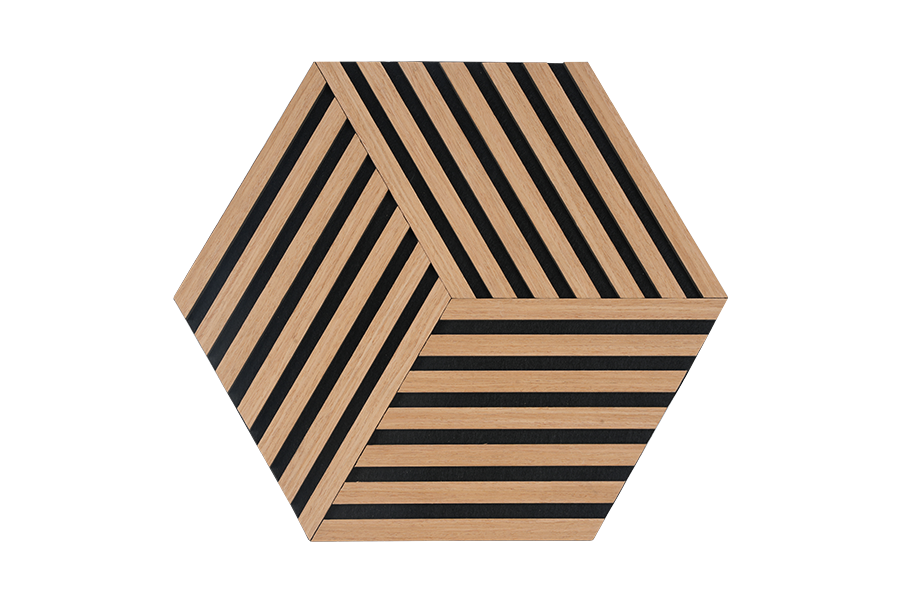
When selecting panels, consider room dimensions, noise sources, and design preferences. Customizable options from an acoustic panel factory make it possible to match specific aesthetic goals without compromising on sound quality. Panels can even be arranged creatively to form patterns or visual focal points, adding a professional yet stylish touch to offices, studios, or public venues.