

 Español
 عربى
عربى русский
Choosing surface materials is no longer only about appearance. Builders, contractors, and project planners are paying closer attention to durability, moisture resistance, installation efficiency, and long-term maintenance. That is why the SPC Board is becoming a widely discussed option in both residential and commercial applications.
From flooring to wall surfaces, this material offers a stable structure and a clean decorative finish. It meets the needs of spaces that require visual consistency without adding excessive installation complexity. For many project teams, working with a reliable SPC Board Factory also helps simplify product sourcing and specification matching.
What is the s SPC Board and Why Is It Different?
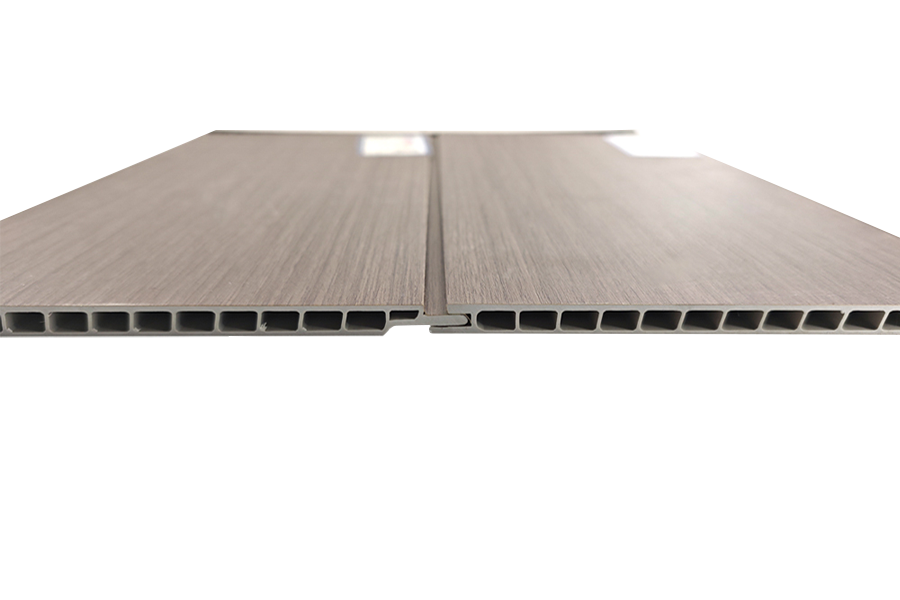
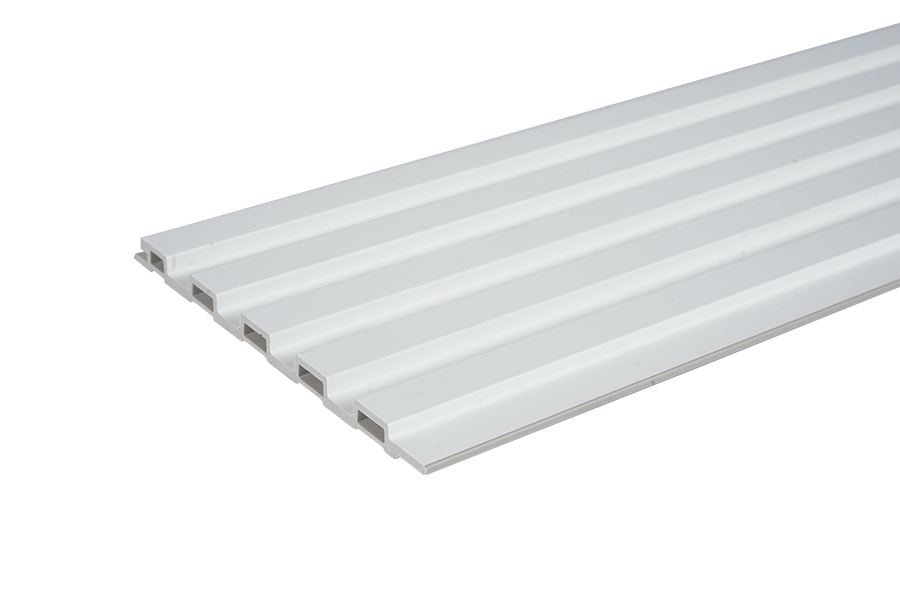
SPC Board, also known as Stone Plastic Composite Board, is made from a blend of natural stone powder, PVC, and stabilizers. This composition creates a rigid core that feels solid while remaining relatively lightweight and easy to handle.
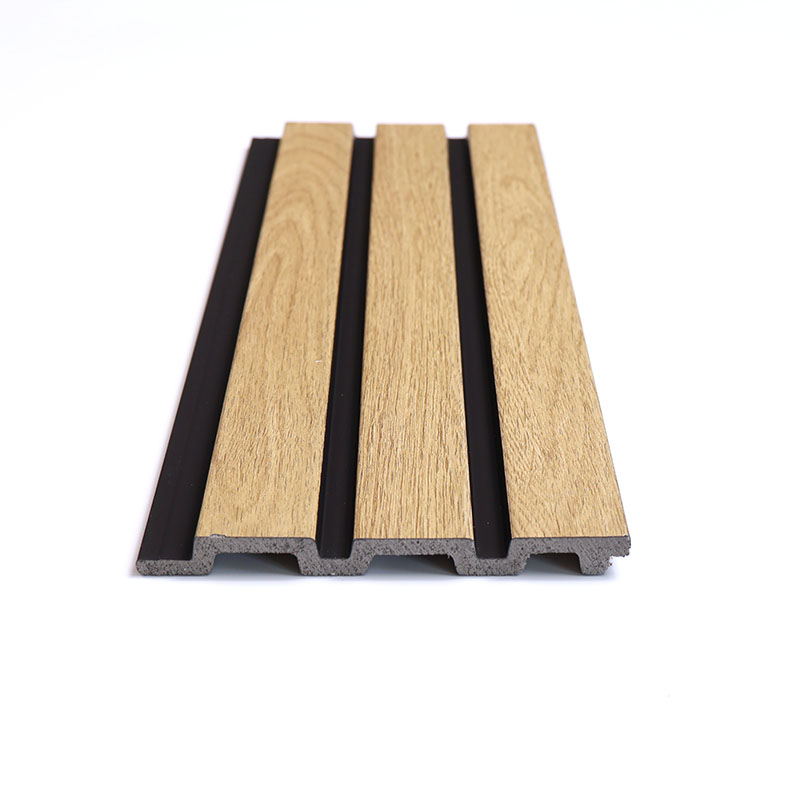
What makes it attractive in real-world use is the balance between structure and appearance. On the outside, it can replicate wood grain, stone texture, or modern decorative finishes. On the inside, it is built to stay stable under everyday wear.
This combination makes it useful for projects where both function and design matter. Instead of choosing between appearance and practicality, many users now expect both in a single material.
Why Are More Projects Switching to SPC Board?
A common frustration in construction and renovation is choosing a material that looks good at delivery but creates issues after installation. Swelling, surface wear, moisture damage, or difficult upkeep can quickly turn a simple material choice into a long-term headache.
That is where the SPC Board stands out.
Strong Daily Performance
One of the main reasons professionals choose this material is its rigid core construction. It is built to handle repeated use in active environments, which makes it suitable for spaces where surfaces need to stay presentable over time.
This matters in:
- hallways
- living areas
- office spaces
- shops
- restaurants
- shared-use interiors
For projects with steady foot traffic or frequent cleaning, surface reliability becomes more than a small detail.
Moisture Resistance That Supports More Applications
Moisture is a common problem in many interior environments. Kitchens, bathrooms, utility areas, and commercial wash zones often require materials that can tolerate humidity and occasional spills without deforming.
Because the SPC Board is designed to resist water and moisture exposure, it is often considered for spaces where traditional wood-based materials may be less suitable. This gives designers and contractors more flexibility when planning material continuity across different rooms.
How Does the SPC Board Help During Installation?
Installation time affects budgets, schedules, and labor coordination. A material that is difficult to move, cut, or align can slow down an otherwise straightforward project.
Lightweight and Easier to Handle
Compared with some traditional rigid surface materials, SPC Board is easier to transport and position during installation. That reduces strain during handling and can help improve workflow on site.
Click-Lock Systems Save Time
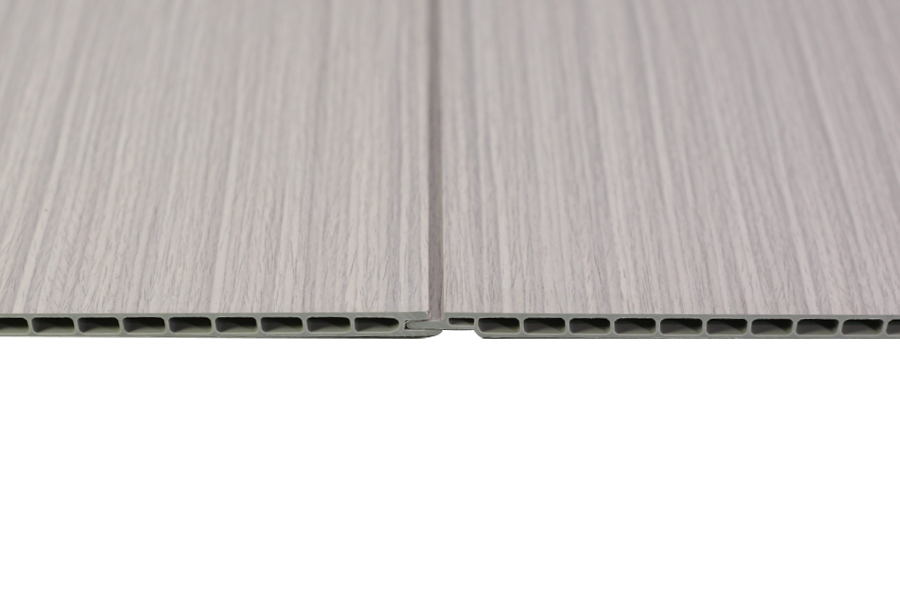
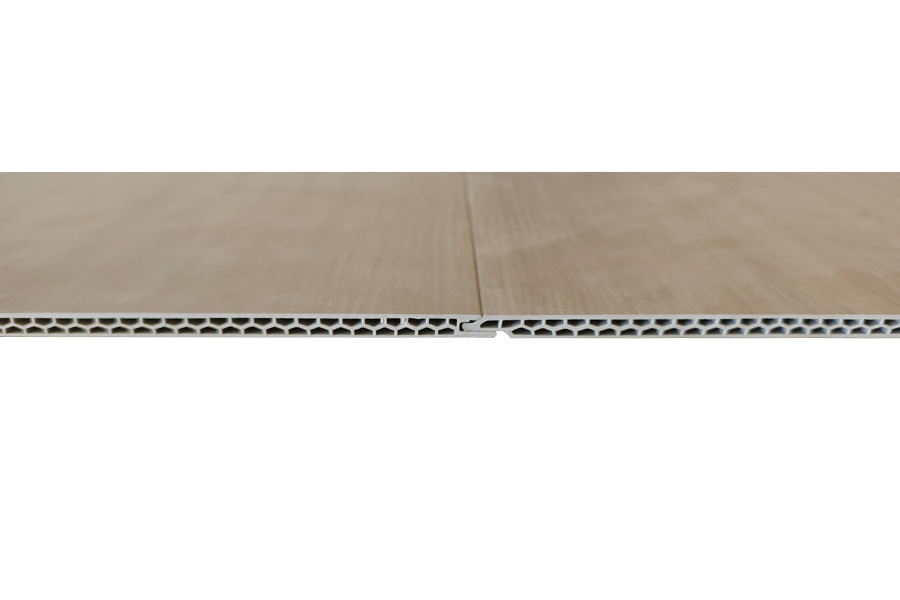
Many product formats are available with click-lock installation structures. This simplifies fitting and alignment, especially in flooring applications. For project teams managing tight delivery schedules, this can make a noticeable difference.
A dependable SPC Board Factory usually offers clearer product specifications, dimensional consistency, and more stable production control, which also supports smoother installation outcomes.