

 Español
 عربى
عربى русский
Sound control has become a practical concern in offices, studios, educational facilities, and entertainment venues. Conversations overlap, meeting rooms echo, and open layouts often amplify background noise. An Acoustic Wall Panel addresses these challenges by absorbing reflected sound waves and stabilizing the acoustic environment.
From a factory perspective, panel performance is not only about materials but also about structure, density, and installation method. Understanding common user pain points helps clarify how to approach acoustic improvement without unnecessary complexity.
Core Benefits of Acoustic Wall Panel Applications
1. Sound Absorption for Clearer Environments
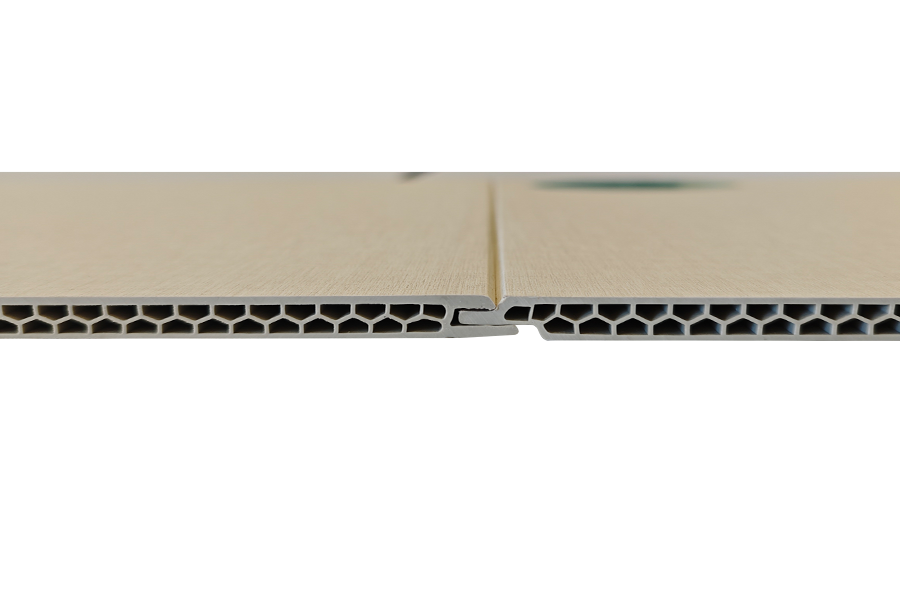
The primary function of an Acoustic Wall Panel is sound absorption. Panels are engineered with porous cores such as high-density fiber or acoustic foam. When sound waves hit the surface, the internal structure disperses and dampens the energy.
In meeting rooms and classrooms, this translates into clearer speech. In recording studios, it provides controlled sound without unwanted reflections.
2. Better Communication in Work Settings
Open-plan offices often struggle with speech overlap. Background chatter and phone calls blend into a constant noise layer. Installing panels strategically on walls reduces these reflections and makes conversations easier to understand.
Improved clarity supports smoother collaboration and reduces the need for repeated explanations during discussions.
3. Visual Integration with Interior Design
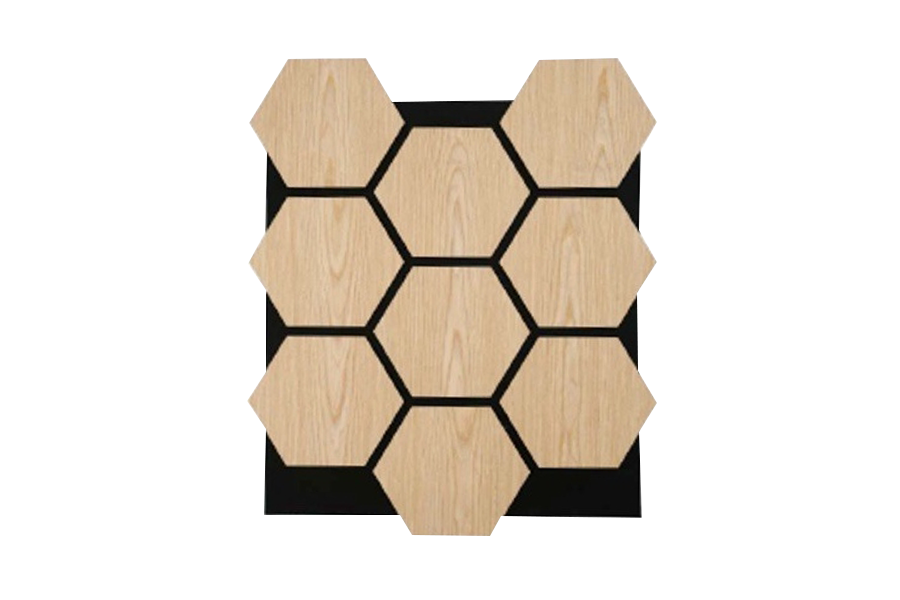
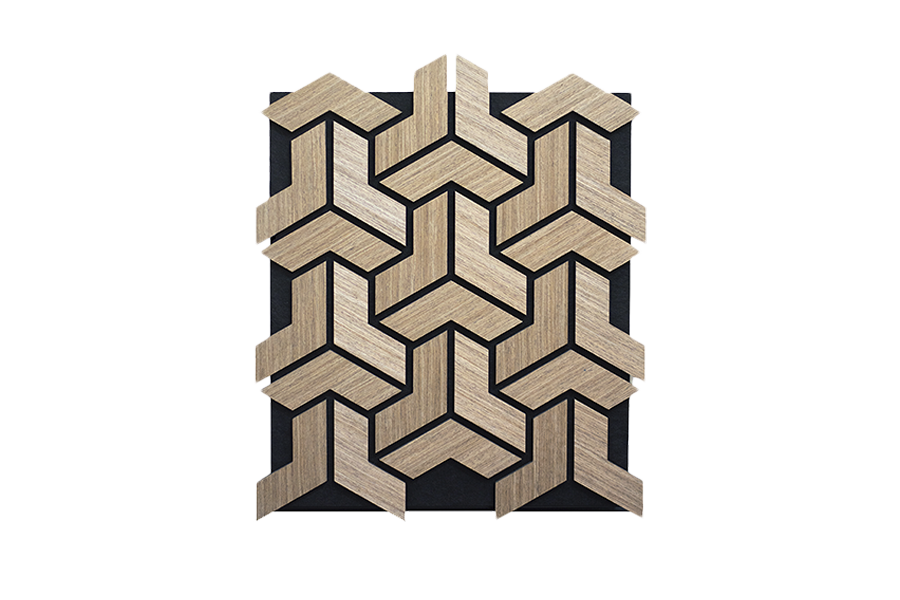
Acoustic treatment no longer needs to look technical or industrial. Fabric-wrapped panels come in a wide range of colors and textures. Wooden designs combine decorative appeal with acoustic functionality.
An experienced Acoustic Wall Panel Manufacturer can adjust size, shape, and finish to align with architectural concepts. The panel becomes part of the interior rather than an afterthought.
Application Scenarios Across Industries
Commercial Offices
In corporate environments, acoustic panels are typically placed in meeting rooms, collaboration zones, and along shared walls. The aim is to reduce distraction and support focus during tasks.
Educational Institutions
Classrooms benefit from shorter reverberation times. Teachers can speak at a natural volume, and students can understand instructions more clearly. Installing panels at reflection points improves the learning atmosphere.
Entertainment Venues
Theaters and auditoriums rely on balanced sound distribution. Wall panels help stabilize reflections so audio travels evenly across seating areas. This supports a consistent listening experience.
What to Expect from an Acoustic Wall Panel Manufacturer
Selecting a reliable Acoustic Wall Panel Manufacturer involves more than reviewing product images. Manufacturing quality affects long-term performance and appearance.
Key considerations include:
- Core material density and acoustic rating
- Fabric durability and color stability
- Dimensional accuracy for large projects
- Installation support and technical guidance
A professional Acoustic Wall Panel Manufacturer typically conducts internal testing to measure absorption coefficients. These values indicate how effectively the panel reduces reflected sound at different frequencies.
Production capability also matters for commercial projects requiring consistent batch quality and custom sizing.
Long-Term Value of Acoustic Treatment
Sound management influences daily productivity and user comfort. In offices, it reduces distraction. In studios, it supports accurate monitoring. In educational settings, it supports comprehension.
An Acoustic Wall Panel is a structural element that integrates with modern architecture while serving a technical function. When produced by a capable Acoustic Wall Panel Manufacturer, panels deliver consistent performance across projects of varying scale.
Sound quality often goes unnoticed until it becomes problematic. Addressing it proactively contributes to smoother communication and a more stable environment for work, learning, and performance.