

 Español
 عربى
عربى русский
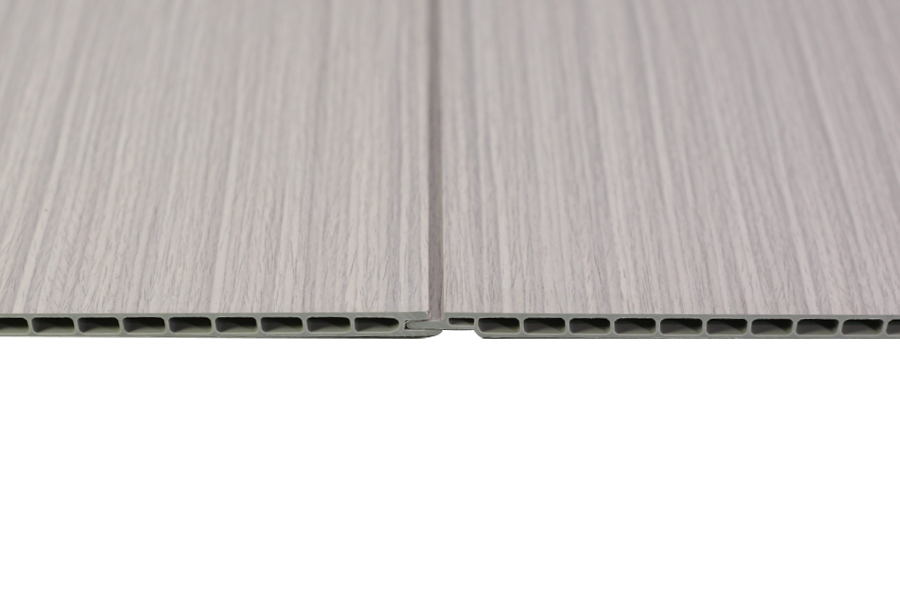
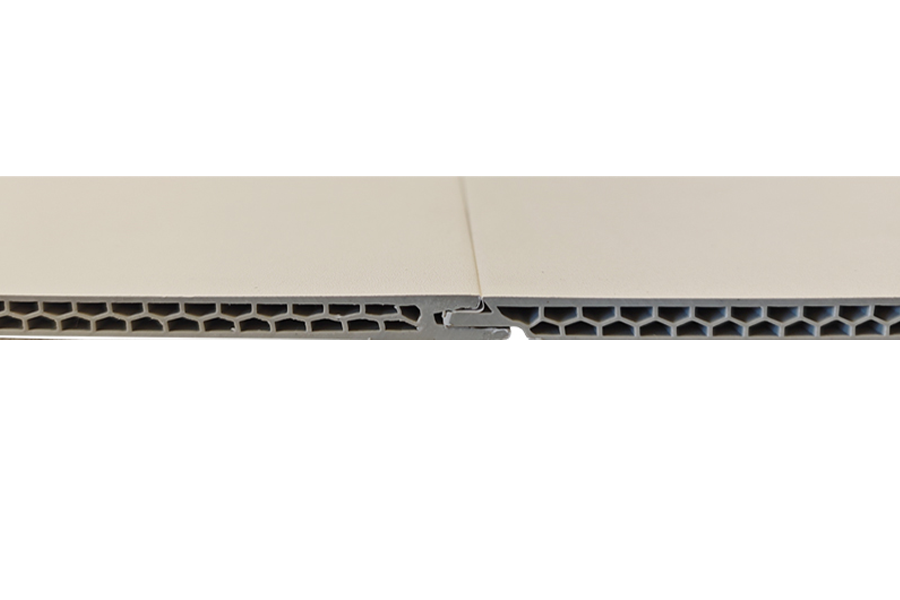
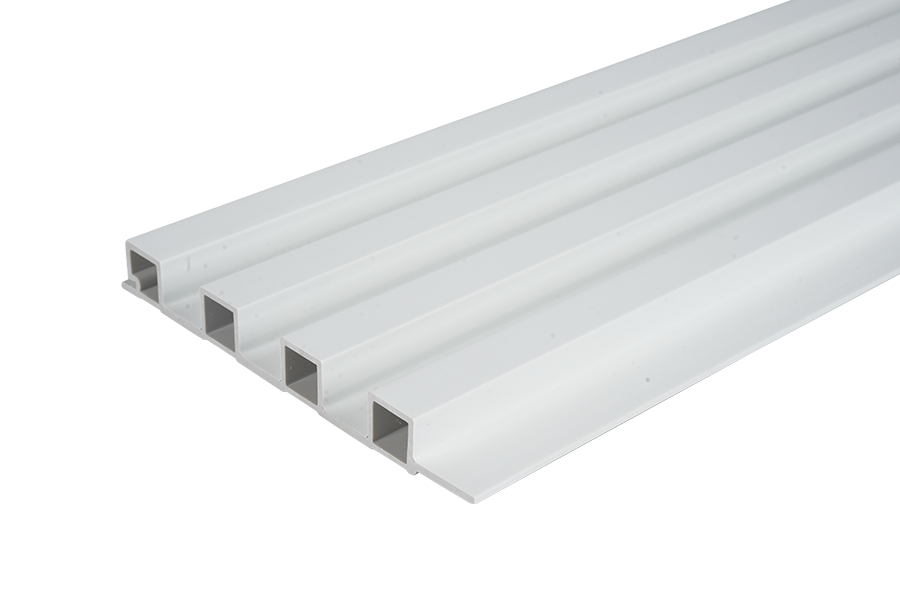
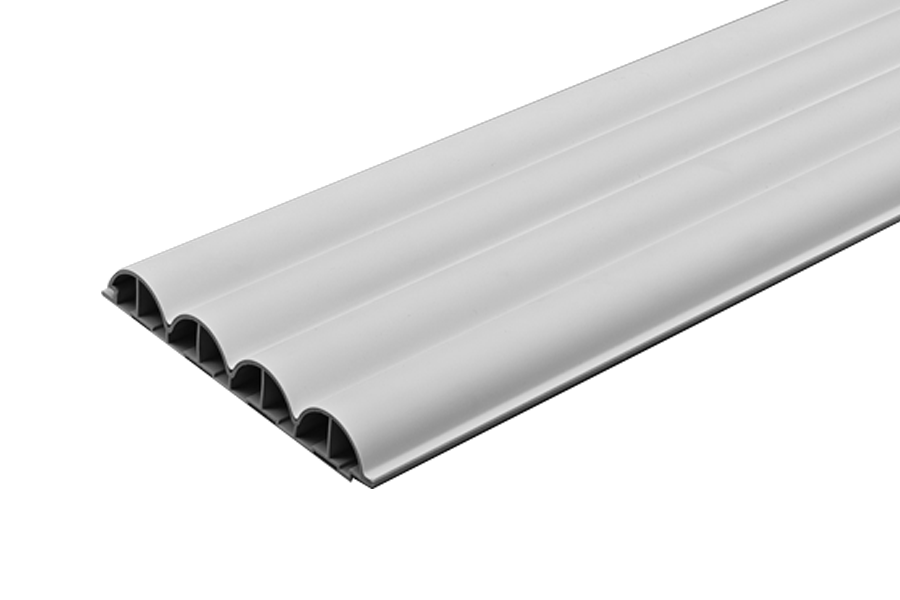
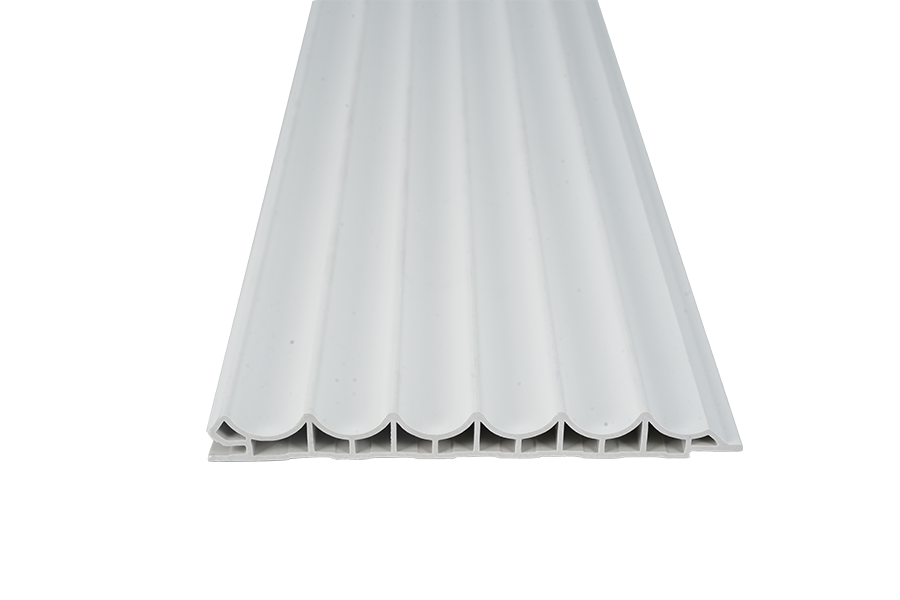
Exterior ceilings play a structural and visual role in residential and commercial buildings. Traditional soffit materials such as wood or metal often face challenges from moisture, temperature variation, and long-term maintenance. An engineered SPC Soffit Panel offers a stable alternative by combining stone powder and polymer technology into a rigid composite structure.
As an experienced SPC Soffit Panel Manufacturer, production focuses on dimensional stability, surface durability, and consistent finish quality. Understanding how this material performs helps contractors and project planners select a soffit solution aligned with real construction requirements.
Why SPC Soffit Panel Works in Humid and Outdoor Conditions
Exterior ceilings are exposed to rain splash, humidity, and temperature changes. Wood panels may warp or swell over time. Metal panels can corrode in certain environments.
The dense core of an SPC Soffit Panel resists moisture penetration. The protective surface layer reduces staining and surface wear. This makes the material practical for:
- Residential eaves
- Balcony ceilings
- Covered walkways
- Commercial entrance areas
Because the structure is rigid, expansion and contraction are controlled within an acceptable range. A qualified SPC Soffit Panel Manufacturer conducts dimensional testing to verify performance under temperature variation.
Low Maintenance for Property Management
Maintenance requirements influence lifecycle cost. Traditional wooden soffits often require repainting or sealing due to exposure to the weather.
An SPC Soffit Panel requires routine cleaning using water or mild detergent. The wear layer resists common stains and surface scratches. There is no need for sanding or repainting under normal usage conditions.
This feature supports building management teams seeking materials that remain visually stable without intensive upkeep.
Acoustic and Environmental Considerations
While primarily used for exterior ceilings, the SPC composite structure also contributes to moderate sound dampening compared to hollow metal panels. The dense core reduces vibration transmission, which can help make covered outdoor areas quieter.
Many manufacturers incorporate recycled stone powder and controlled emission materials during production. A responsible SPC Soffit Panel Manufacturer follows emission standards and material sourcing policies to align with modern construction expectations.
Production Control from an SPC Soffit Panel Manufacturer
Consistent output requires technical discipline. During extrusion and lamination, temperature fluctuation can affect core density and surface bonding.
An experienced SPC Soffit Panel Manufacturer manages:
- Automated mixing ratios
- Extrusion speed monitoring
- Surface lamination pressure control
- Batch-based inspection
Packaging methods also protect edges and surfaces during transportation. This reduces on-site damage and installation delays.
Selecting the Right SPC Soffit Panel Specification
Before specifying panel dimensions or finishes, project planners evaluate:
- Installation height
- Climate exposure level
- Desired texture and color
- Structural support spacing
Thickness and locking profile should match the substructure design. Consulting directly with an SPC Soffit Panel Manufacturer allows technical alignment before mass production.
Exterior architecture increasingly prioritizes durability combined with visual cohesion. An SPC Soffit Panel integrates composite engineering with decorative flexibility, offering a stable alternative to traditional soffit materials.
By partnering with a capable SPC Soffit Panel Manufacturer, projects benefit from controlled production standards, consistent surface finish, and adaptable design options suited to contemporary construction demands.