

 Español
 عربى
عربى русский
Noise control has become a practical requirement in offices, studios, schools, and public venues. Open layouts, glass partitions, and hard surfaces create sound reflections that disrupt communication and comfort. A well-designed Wall Panel system directly addresses these issues by managing echo and improving clarity across different environments.
As a professional Wall Panel Manufacturer, production is not only about surface appearance. It involves material engineering, acoustic testing, structural stability, and installation adaptability. Understanding how acoustic panels function helps businesses choose solutions that match real operational needs.
Why Wall Panel Matters in Commercial Spaces
In modern offices, conversations, phone calls, and equipment noise overlap. Without acoustic treatment, sound waves bounce between walls and ceilings. This creates reverberation, which makes speech less clear.
A properly engineered Wall Panel absorbs sound energy rather than reflecting it into the room. The core material, often high-density fiber or foam, converts sound vibration into low-level heat energy. This reduces echo and controls mid-to-high frequencies commonly found in speech.
Conference rooms benefit significantly. Meetings become easier to follow, and participants do not need to raise their voices. In shared workspaces, background noise decreases, supporting better focus.
From a production perspective, a reliable Wall Panel Manufacturer considers sound absorption coefficients, panel density, and mounting systems during design. These factors directly affect real-world performance.
How Wall Panel Improves Communication in Work Environments
Clear communication depends on speech intelligibility. When reflections overlap with direct speech, words become difficult to distinguish.
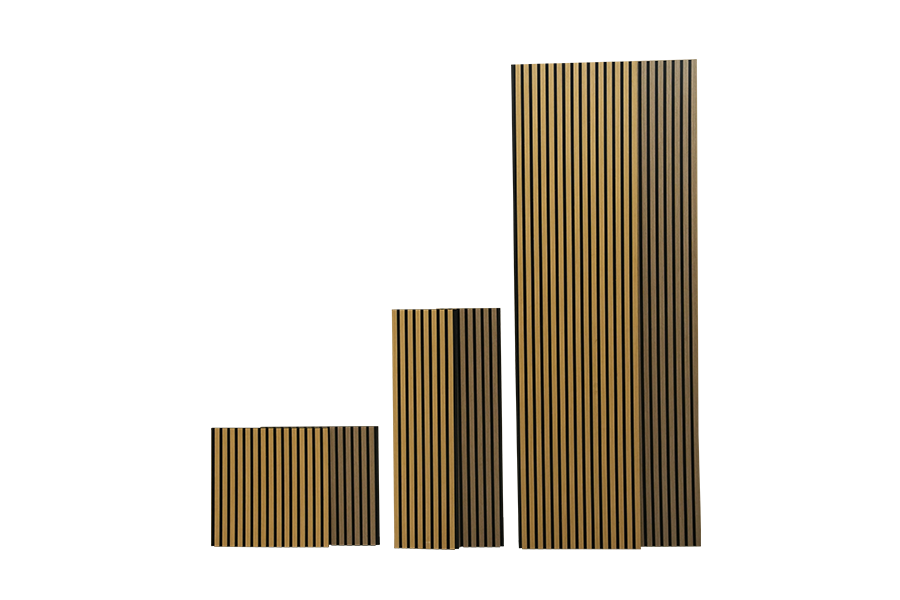
A strategically placed Wall Panel reduces reflected sound energy. By controlling reverberation time, conversations remain crisp and understandable. Employees spend less effort repeating information, and meetings progress more efficiently.
Educational institutions also benefit. In classrooms and lecture halls, students can clearly hear instructors without excessive amplification. Reduced echo supports learning and lowers vocal strain for teachers.
Design Flexibility Without Compromising Function
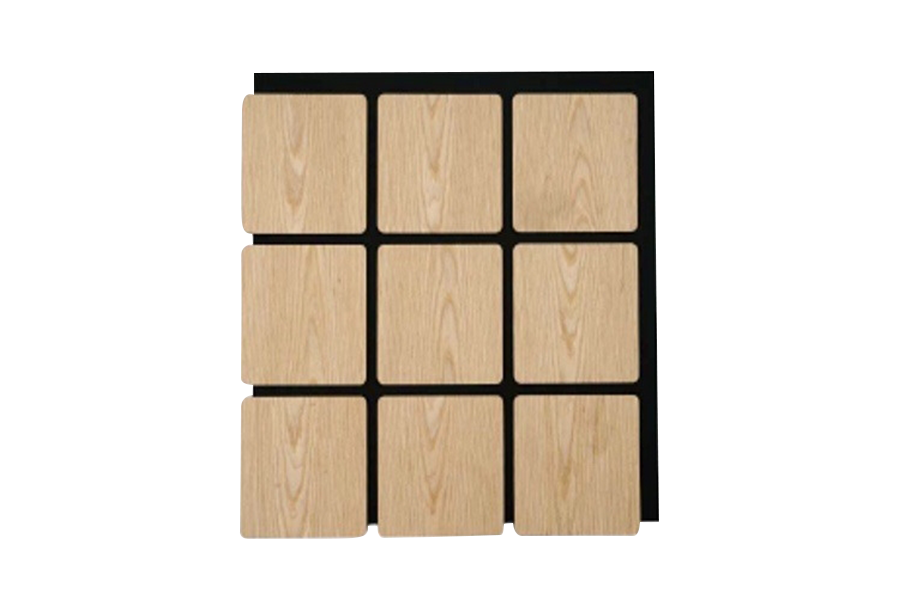
Acoustic performance does not require sacrificing interior aesthetics. Panels are available in multiple sizes, shapes, and surface finishes. Customization allows integration with lighting layouts, branding elements, and architectural themes.
A professional Wall Panel Manufacturer typically offers tailored dimensions, fire-rated materials when required, and concealed mounting systems. Engineering teams work with architects and contractors to coordinate installation details before production.
Installation and Maintenance Considerations
Installation methods vary depending on wall structure and project scale. Panels may be mounted using mechanical fasteners, aluminum tracks, or adhesive systems. Ceiling applications require additional structural planning.
From a manufacturing standpoint, structural integrity and edge finishing are critical. A dependable Wall Panel Manufacturer conducts dimensional checks and surface inspections before shipment.
Maintenance is straightforward. Routine dust removal with a vacuum or soft brush keeps surfaces clean. Fabric panels may require occasional spot cleaning depending on the environment.
Moving Toward Better Acoustic Environments
Sound management is no longer optional in modern architecture. Open layouts and multifunctional spaces require practical acoustic treatment.
A well-designed Wall Panel provides a direct solution to echo, reverberation, and speech clarity concerns. Collaboration with an experienced Wall Panel Manufacturer allows projects to integrate acoustic performance with visual design requirements.
Careful material selection, accurate production, and thoughtful installation planning transform noisy environments into balanced, functional spaces suited for communication, collaboration, and creative work.