

 Español
 عربى
عربى русский
If you have ever installed laminate flooring in a kitchen or bathroom, you know the problem. One spilled pet bowl, one leaky pipe, and the edges swell. The planks curl. The floor is ruined. SPC flooring solves that. Stone Plastic Composite does not swell. Water sits on top until you wipe it up. But not every SPC board manufacturer produces the same quality. The rigid core is the heart of the floor. Get that wrong, and nothing else matters.
What SPC Actually Is and Why the Board Matters
What the core does for the finished floor
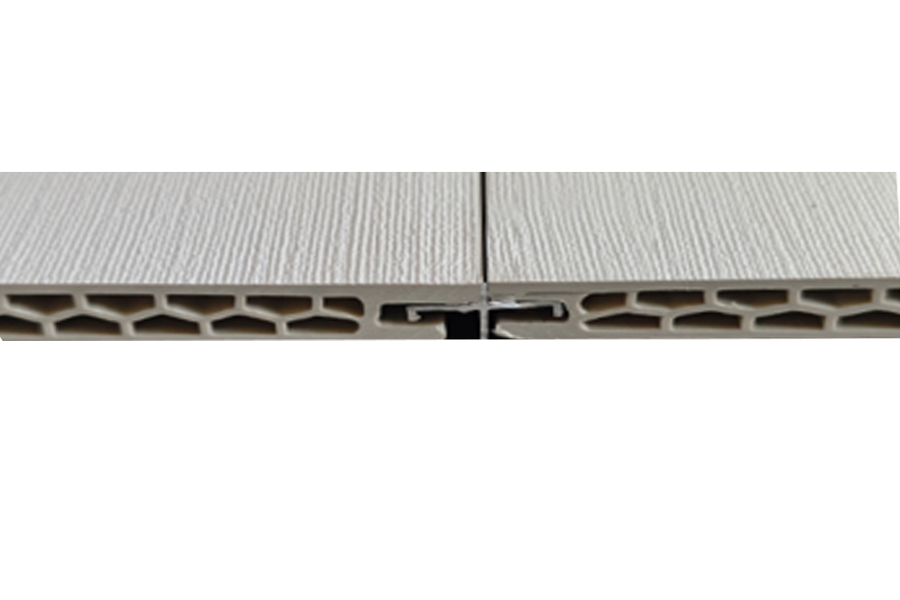
SPC stands for Stone Plastic Composite. The recipe is straightforward. Limestone powder. PVC resin. Stabilizers. Lubricants. Mix them, heat them, press them into sheets. That sheet is the SPC board. Everything else — the printed design layer, the clear wear layer, the attached underlayment — sticks to that core.
The SPC board is what makes the floor rigid. It is also what makes it waterproof. Unlike wood-based cores that absorb moisture and expand, the stone-plastic composite sits there. Water does not soak in. Humidity does not change its dimensions.
- Provides dimensional stability — no expansion or contraction with temperature or humidity
- Creates impact resistance — dropped pans and dog claws do not dent it easily
- Enables locking joints — the milling holds tight because the material does not crumble
- Blocks moisture transmission — spills stay on the surface, not soaked into the subfloor
Why the limestone-to-PVC ratio matters
A good SPC board manufacturer controls the limestone-to-PVC ratio carefully. Too much limestone, and the board is brittle. Cracks during installation. Too much PVC, and the board is too flexible. It does not lock together tightly.
Limestone content typically runs 60 to 80 percent by weight. Higher limestone means stiffer board and lower cost. But go above 80 percent, and the board snaps during installation. Lower limestone — 50 to 60 percent — gives more flexibility.
How a Good Manufacturer Controls Quality
Raw material testing
The production line for SPC board starts with raw materials. Limestone powder arrives in super sacks. Particle size matters. Too coarse, and the board surface feels rough. Too fine, and the powder does not flow consistently. A decent SPC board manufacturer tests every shipment for particle size distribution.
PVC resin grade affects how the board behaves during extrusion. Cheap resin contains impurities that cause discoloration over time. Two years in a sunny room, and the board yellows.
Mixing and extrusion
The mixing process is where things go wrong. Limestone, PVC, and additives need to be blended uniformly. Poor mixing creates weak spots. One area has too much limestone — brittle. Another area has too much PVC — soft.
Once the mix is ready, it goes into an extruder. The screw pushes molten material through a die that shapes the SPC board to target thickness — usually 4 to 8 millimeters for residential flooring.
Cooling and calibration
Out of the extruder, the board passes through calibration rollers that set final thickness and smooth surfaces. Cooling happens next. Cool too fast, and the board warps. Cool too slow, and the line bogs down. A SPC board with a slight bow will not lock together properly during installation.
What Goes Wrong with Cheap Boards
The catch with low-cost products
Cheap boards use low-quality limestone with inconsistent particle size. Some areas have large chunks that create weak points. Other areas have fine powder that does not bond well. Cheap SPC board sometimes uses recycled PVC. The impurities cause the board to become brittle over time.
- Signs of a poorly made board
- The board surface feels rough or has visible pitting
- Edges crumble when you snap two planks together
- The board warps slightly when exposed to sunlight
Locking joints do not hold — planks separate after weeks of use
The click test
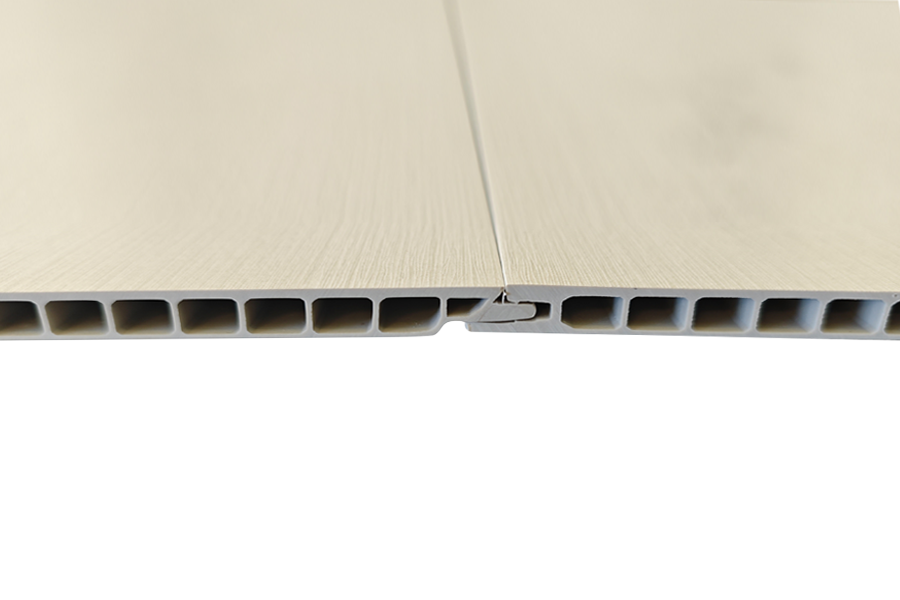
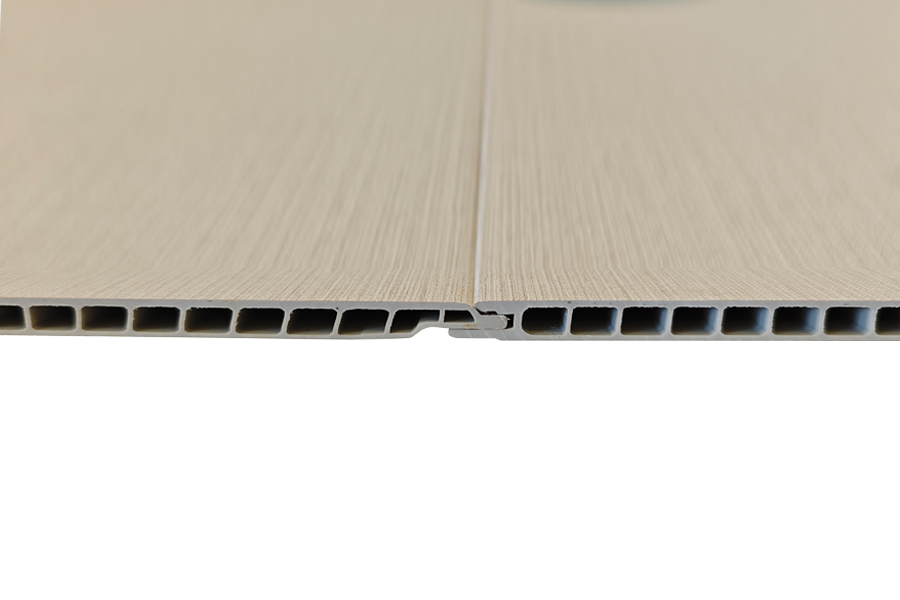
Flooring installers talk about the click. When you angle one SPC board into another and press down, you feel it lock. A good SPC board manufacturer controls milling precision. Dull cutting tools leave a rough surface. The joint does not slide smoothly.
What to Look for When Sourcing
Physical inspection
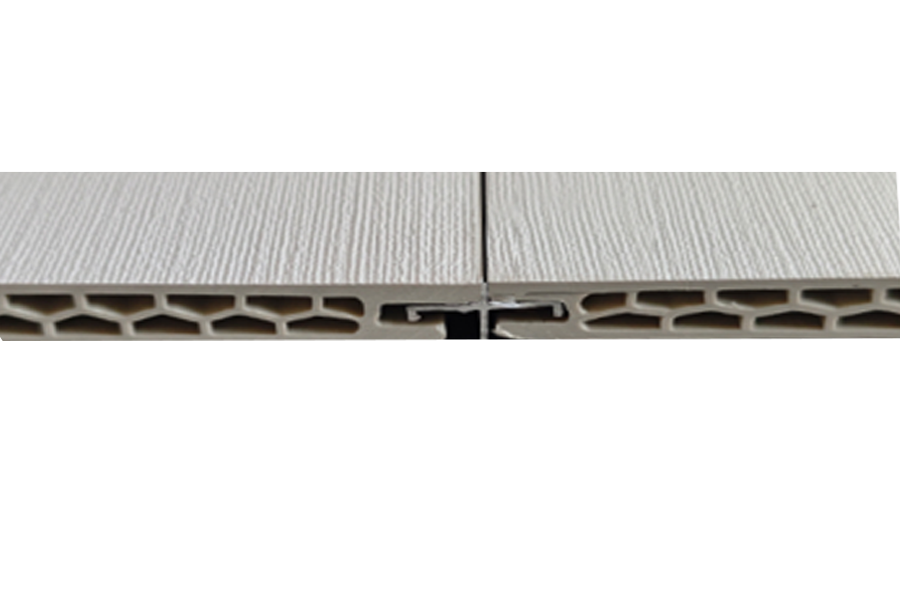
Look at the board first. Not the printed sample. The actual raw board before the decorative layer is applied. Check the edge. A clean, smooth edge with no chipping means extrusion and milling are under control. Check flatness. Lay a straightedge across the board. Any gap means warpage.
Questions to ask the manufacturer
Do they run dimensional checks every shift? Do they test for warpage after cooling? Do they have records of click test results? A manufacturer that cannot answer these questions is hiding something.
SPC flooring is a good product when the core is done right. A SPC board manufacturer that controls raw materials, extrusion, cooling, and milling will produce board that installs easily and lasts for years. One that cuts corners will cost you in returns and failed floors. The core is not visible, but it does all the work.