

 Español
 عربى
عربى русский
What safety standards should a buyer look for?
Many acoustic panels are made from materials that are combustible unless treated. Understanding the fire ratings helps you select a panel appropriate for the building's fire code.
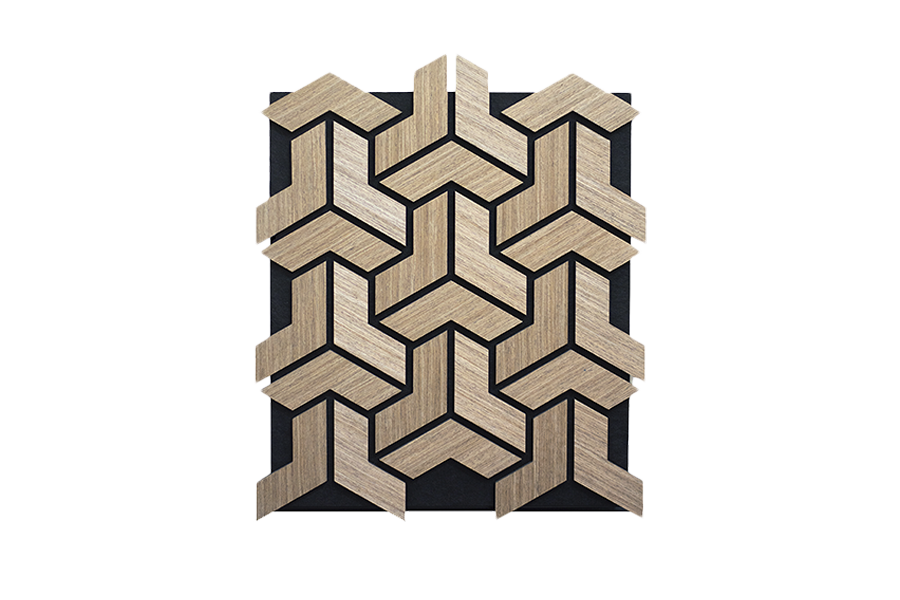
Polyester fiber panels (PET, made from recycled plastic bottles). Polyester is a thermoplastic. It melts at 250–260°C and will burn if exposed to a flame, but it is often self-extinguishing (the dripping molten material quenches the flame). In standard tests (ASTM E84), PET panels typically achieve a Class A (Flame Spread Index 25 or less) or Class B (FSI 26–75) depending on density and additives. Class A is the highest. For use in egress corridors or public spaces, Class A is required by the International Building Code (IBC). PET panels with no fire retardant may be Class C (FSI 76–200) and are not allowed in most commercial buildings. Look for a label stating "ASTM E84 Class A" or "UL 723 Class A." For home use, Class B is acceptable, but Class A is safer. PET panels also produce smoke (smoke developed index, SDI). Class A requires SDI below 450. Some PET panels have SDI as low as 50–150.
Melamine foam panels (basotect, sound absorbing foam). Melamine foam is a thermoset material (does not melt). It is inherently flame-retardant because it chars and does not drip. It passes ASTM E84 with a Class A rating (FSI <25, SDI <100) without added chemicals. For extreme safety (schools, hospitals, hotels), melamine foam is a good choice. However, melamine foam is softer and less durable than PET.
Fiberglass panels (rigid fiberglass boards with fabric facing). Fiberglass is non-combustible (inorganic). It will not burn. However, the fabric facing (which covers the fiberglass) may be combustible. Choose panels with a Class A-rated fabric (e.g., polyester fabric treated with fire retardant). The panel itself will not contribute to fire spread. Fiberglass panels are the standard for professional recording studios and commercial buildings. The disadvantage: fiberglass can cause skin and respiratory irritation if the facing is torn; it must be properly sealed.
Do acoustic wall panels emit harmful chemicals (VOCs) and how can you choose low-emission panels?
Volatile Organic Compounds (VOCs) are chemicals that off-gas from synthetic materials. Acoustic panels can emit VOCs from the binder (glue), the foam itself, or the fabric facing. Long-term exposure to high VOC levels can cause eye, nose, and throat irritation, headaches, and (for formaldehyde) increased cancer risk.
Sources of VOCs in panels:
- Polyester (PET) panels: Made by melting polyester (which is a polymer of ethylene glycol and terephthalic acid). The melting process releases very little VOC because it is a physical process, not a chemical reaction. After manufacturing, PET panels have low VOC emissions. However, some manufacturers use recycled PET (from bottles) that may contain trace solvents from labels or adhesives. High-quality PET panels are tested to GREENGUARD Gold (a standard for low chemical emissions). Look for "GREENGUARD Gold Certified" or "CA Section 01350."
- Melamine foam: The foam is made from melamine-formaldehyde resin. It can off-gas formaldehyde (a known irritant) for weeks after production. High-quality melamine foam is washed after production to reduce formaldehyde. Low-grade melamine foam can smell like urine or formaldehyde. If you open the box and smell a sharp, chemical odor (similar to permanent marker), return the panels. Choose melamine foam labeled "low formaldehyde" or "CARB Phase 2 compliant."
- Fiberglass panels: The fiberglass itself emits no VOCs. The binder that holds the fiberglass together (a phenol-formaldehyde resin) can off-gas formaldehyde. Many modern fiberglass panels use a bio-based binder (soy or sugar) that emits very low VOCs. Look for "no added formaldehyde" or "NAF" (No Added Formaldehyde) certification. The fabric facing may also have VOCs from the ink or the flame-retardant treatment.
- Wood wool panels: Cement-bonded wood wool emits no VOCs (cement and wood are natural). However, some wood wool panels have a surface coating (wax or acrylic). Choose uncoated panels or those labeled "VOC-free."
Testing and certification levels:
- GREENGUARD Gold (UL 2818) : The most common certification for low-VOC products in schools and offices. Limits total VOCs below 0.5 mg/m³ after 7 days, and individually tests for 35 chemicals (including formaldehyde, acetaldehyde, benzene). A GREENGUARD Gold panel is safe for use in a bedroom or classroom.
- CARB Phase 2 (California Air Resources Board) : Limits formaldehyde emissions from composite wood products. Acoustic panels made from wood (like wool panels) need this. Fiberglass panels also may certify to CARB.
Blue Angel (German standard) : Very strict (TVOC < 0.3 mg/m³ after 28 days). Seen on European panels.
Practical advice for buying Chinese-made panels (common on Amazon, Alibaba, etc.) : Many Chinese acoustic panels do not have any VOC certification. If you buy them, you should air them out. Unpack the panels in a garage or ventilated space for 7–14 days before installing indoors. If you have asthma, multiple chemical sensitivities, or are installing in a child's bedroom, pay the extra 20–50% for GREENGUARD Gold certified panels. For a home theater in a basement (separate from living spaces), the risk is lower because you have less exposure time.