

 Español
 عربى
عربى русский
SPC flooring is everywhere now. Waterproof. Rigid. Easy to install. But the core of that flooring — the part that makes it waterproof and rigid — comes from an SPC board factory. SPC stands for Stone Plastic Composite. Limestone powder mixed with PVC resin. Heated. Pressed into sheets. Those sheets become the backbone of millions of floors. Here is what happens inside the factory and what buyers should know.
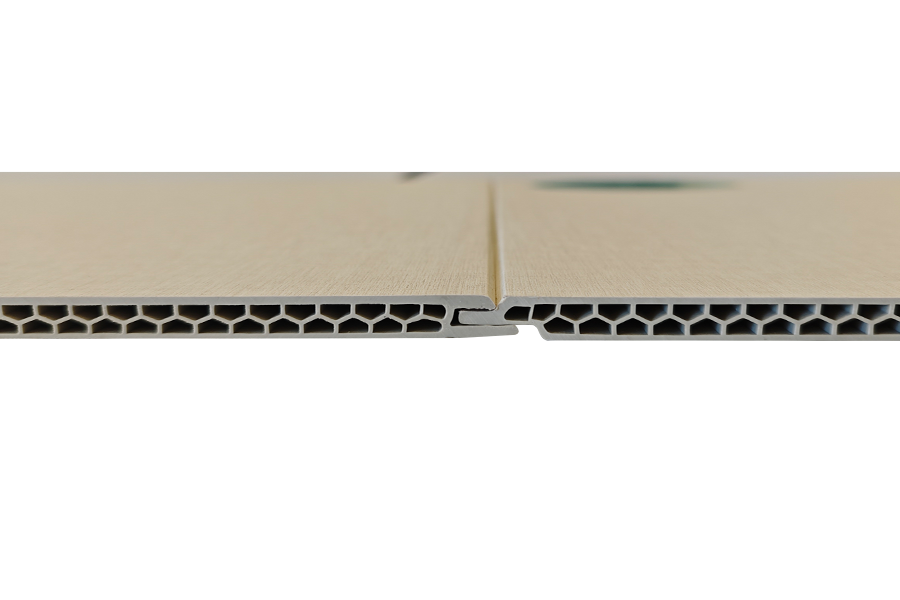
What SPC Board Is and Why It Matters
The core is what makes SPC flooring different from laminate
Laminate flooring has a wood-based core. Water hits it. The core swells. The edges curl. SPC flooring has a stone-plastic core. Water sits on top. It does not soak in. The floor does not swell. An SPC board factory controls the recipe that makes this possible.
The core is usually 60 to 80 percent limestone. The rest is PVC resin and stabilizers. More limestone means stiffer board. Lower cost. More brittle. More PVC means more flexible board. Higher cost. More dent-resistant.
Thickness ranges from 4mm to 8mm for floors
Residential SPC flooring uses a 4mm or 5mm core. Commercial flooring uses 5mm to 8mm. An SPC board factory produces different thicknesses for different markets. Thinner boards cost less. They feel less solid underfoot. Thicker boards cost more. They feel like real wood.
The core thickness does not include the attached pad. Some floors have a pre-attached underlayment. The core is still the same.
How an SPC Board Factory Makes the Core
Raw materials are mixed in precise ratios
Limestone powder arrives in super sacks. Particle size matters. Too coarse, and the board surface feels rough. Too fine, and the powder does not flow through the extruder. An SPC board factory tests every shipment.
PVC resin comes next. The resin grade affects how the board behaves during extrusion. Cheap resin contains impurities. Those impurities cause discoloration over time. The board might look fine when it leaves the factory. Two years in a sunny room, and it yellows.
Here is what goes into the mix:
- Limestone powder — 60% to 80% of the formula
- PVC resin — 15% to 35%
- Stabilizers — prevent degradation from heat and UV
- Lubricants — help the material flow through the extruder
The extrusion process shapes the molten material into a continuous sheet
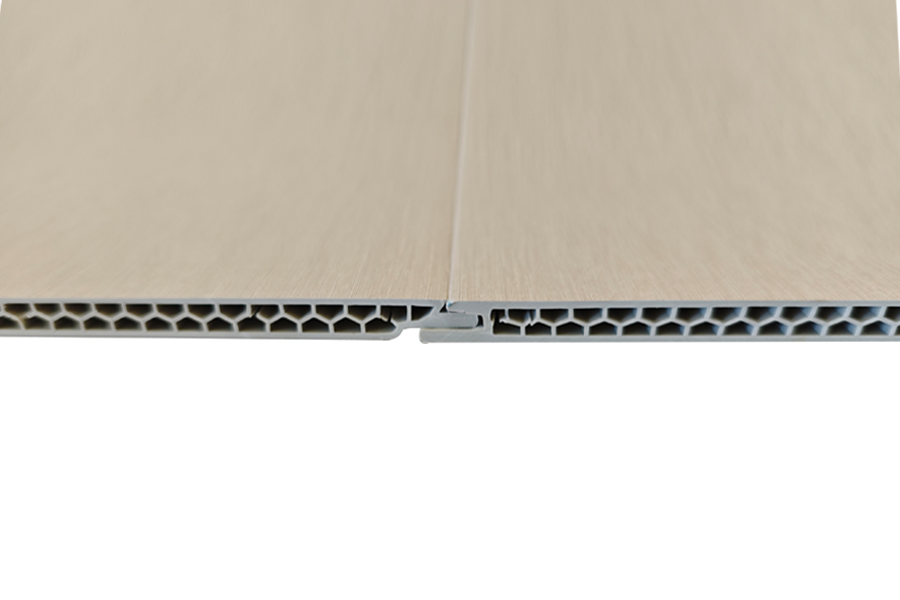
The mixed powder feeds into an extruder. Heat melts the PVC. A screw pushes the molten material through a die. The die shapes the SPC board to the target thickness. The sheet comes out soft. Hot. About 2 meters wide.
The sheet passes through calibration rollers. These rollers set the final thickness. They smooth the top and bottom surfaces. An SPC board factory with good equipment runs the sheet through multiple roller stations.
Cooling is critical for flatness
The hot sheet runs over cooling drums or through a water bath. Cool too fast, and the board warps. Cool too slow, and the production line bogs down. An SPC board factory that rushes cooling produces bowed boards. Bowed boards do not lock together during installation.
The sheet cools to room temperature. Then it gets cut into planks or left as full sheets for cutting later.
Quality Control in an SPC Board Factory
Dimensional checks happen constantly
The board width and thickness must be consistent. An SPC board factory uses laser gauges to measure thickness as the sheet runs. Any variation triggers an alert. Operators adjust the calibration rollers.
Thickness tolerance is usually plus or minus 0.1mm. A board that varies more than that will not lock together correctly. The floor has gaps.
Flatness is tested on every batch
A warped board is scrap. An SPC board factory places a straightedge across the board. The gap at the center should be less than 1mm over 1 meter. More than that, and the board rejects.
Density testing confirms the limestone-to-PVC ratio
Denser board means more limestone. An SPC board factory cuts samples from each batch. Weighs them. Measures the volume. Density should be within a target range. Too low, and the board is too flexible. Too high, and it is too brittle.
Here is what density tells you:
- Lower density — more PVC, more flexible, more expensive
- Target density — balanced, good for flooring
- Higher density — more limestone, stiffer, more brittle
What Goes Wrong with Cheap SPC Boards
The board warps during cooling
Cheap factories rush the cooling process. The board comes off the line warm. It cools unevenly in storage. It bows. The flooring installer fights every row. The floor does not lay flat.
The limestone-to-PVC ratio varies across the board
Poor mixing. The limestone settles in the hopper. The extruder gets inconsistent material. One section of the board has too much limestone — brittle. Another section has too much PVC — soft. The floor feels uneven underfoot. It wears unevenly.
The board yellows from UV exposure
No UV stabilizers in the resin. Or cheap stabilizers that do not last. A SPC board factory that skips UV protection ships boards that look fine. A few months in a sunny room, and the floor turns yellow. The customer is unhappy. The warranty claim comes back.
The locking profile does not match
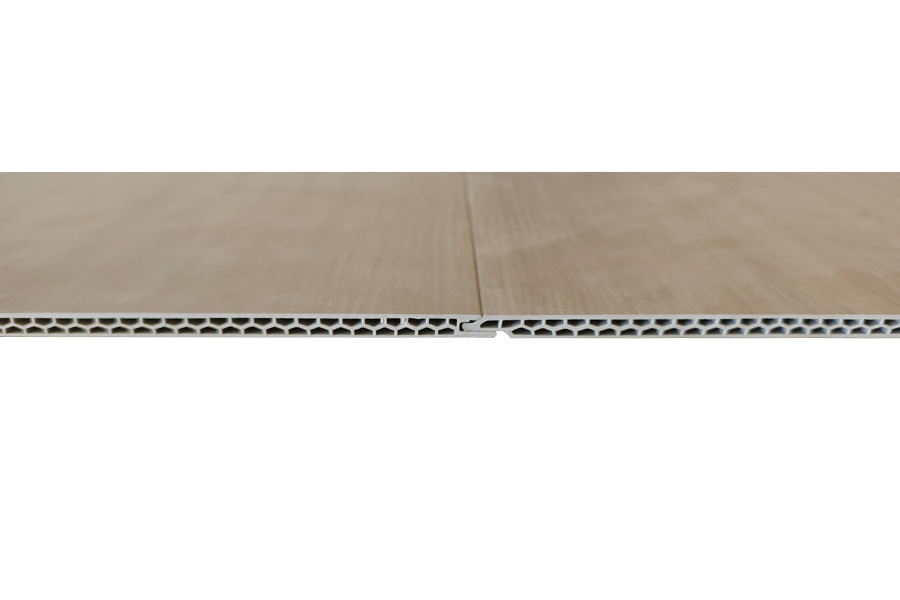
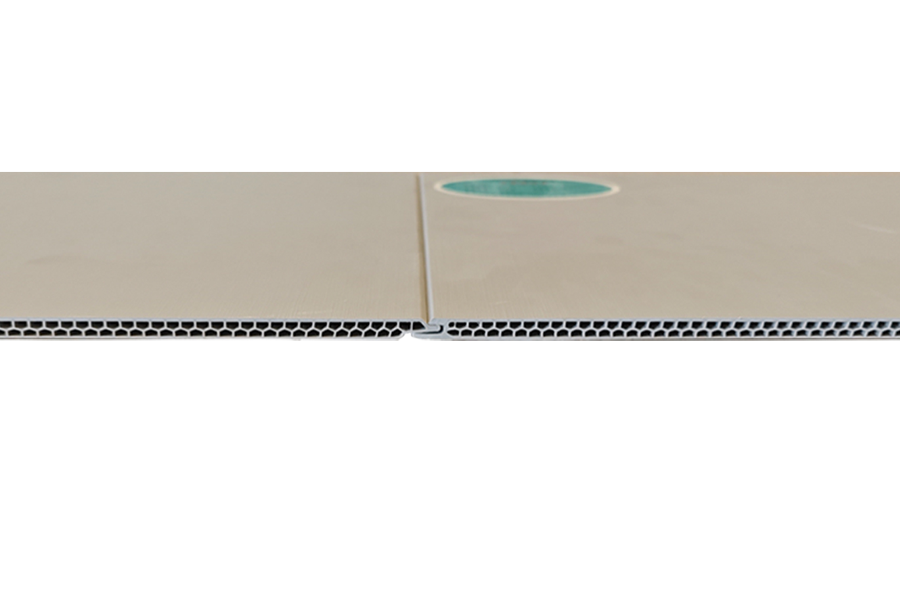
The milling machine cuts the tongue-and-groove profiles. Blades wear. The SPC board factory does not replace them often enough. The profile dimensions drift. Planks from one batch lock fine. Planks from a later batch do not. The installer cannot mix batches.
An SPC board factory produces the core of millions of floors. The core determines whether the floor lasts 2 years or 20 years.
Look for consistent thickness. Flat boards. UV stabilizers. Good mixing. Precise milling. A factory that controls these variables produces boards that install easily and perform well. A factory that cuts corners produces boards that warp, yellow, and fail.
Buyers need to visit the factory. See the quality control. Test samples before ordering large quantities. An SPC board factory that is proud of its work will show you. One that hides the production line has something to hide. Choose the one that shows you. Your flooring customers will thank you.