

 Español
 عربى
عربى русский
A floor that looks like oak, feels solid underfoot, and survives a spilled glass of water. That is what SPC board delivers. Stone plastic composite is a mix of limestone powder and PVC resin, extruded into a rigid core, then laminated with a printed film and a wear layer. An SPC board factory produces this material in planks, tiles, and sheets for flooring brands, distributors, and private label sellers. The category grew because it solved the problems that laminate and WPC could not: water swelling and dimensional movement.
The Core Is the Difference
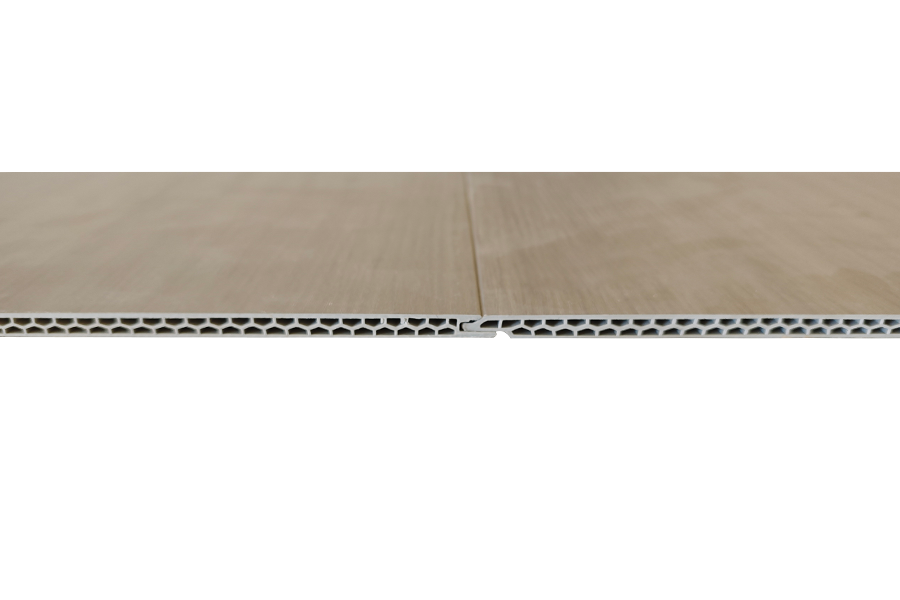
SPC is not wood. It is not laminate. The core is limestone and PVC, and that composition is why the board does not swell when water sits on it. Laminate has a wood-fiber core that absorbs moisture and swells at the edges. WPC has a foamed core that expands and contracts with temperature. The SPC core stays dimensionally stable through both.
The limestone content is the spec that matters. A higher limestone ratio gives a stiffer, denser board with better dimensional stability. Too much and the board becomes brittle and the locking profile cracks. An SPC board factory controls the limestone-to-PVC ratio to balance stiffness against impact resistance.
The extrusion line determines consistency. The core has to come out with uniform density and thickness across the full width. A board with density variation warps after installation. An SPC board factory that monitors the extrusion parameters holds the quality across the production run.
The Layers on Top
The core is the structure. The decoration is on top. A printed film carries the wood grain, the stone pattern, or the abstract design. A clear wear layer covers the print and takes the abrasion. Both are applied in the lamination press.
An SPC board factory that registers the embossed texture to the printed pattern produces a floor that looks like real wood. The grain lines in the texture follow the grain lines in the print. Without registration, the surface looks like a photograph of wood with an unrelated texture pressed into it.
The wear layer thickness sets the durability rating. Residential floors run 12 mil and up. Commercial floors start at 20 mil. An SPC board factory that publishes the wear layer thickness lets the buyer match the product to the traffic.
The Locking Profile
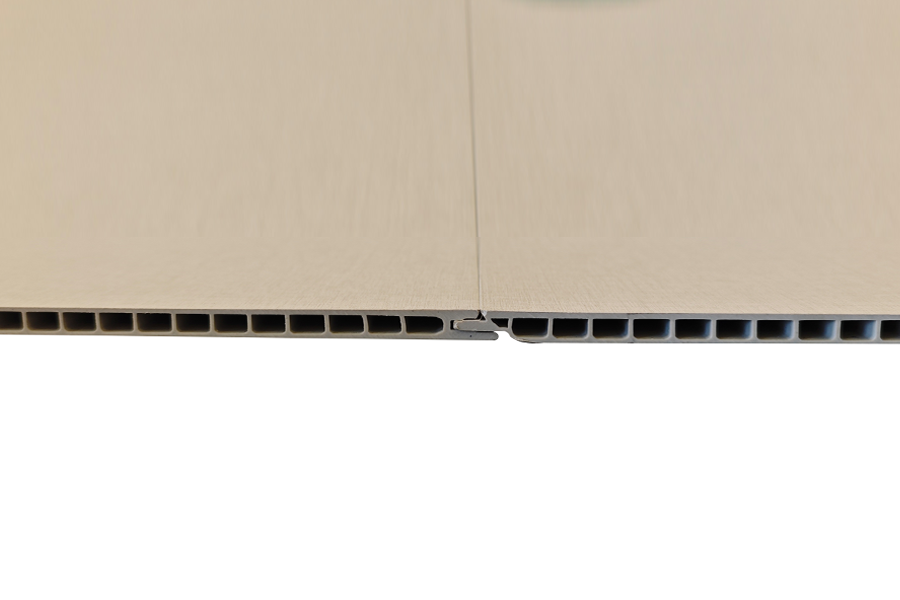
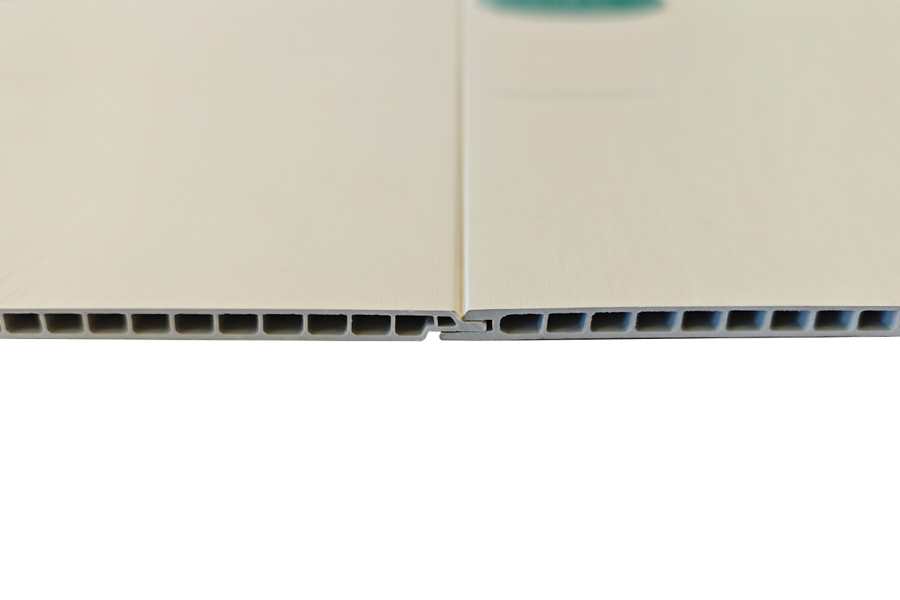
SPC planks click together. The locking profile is milled into the edges after the lamination. The profile has to engage firmly and hold without gapping. A loose lock develops gaps. A tight lock makes installation difficult and stresses the joint.
An SPC board factory that mills the profile to precise tolerances and tests the joint strength produces a floor that stays tight through seasonal movement. The profile cutter has to stay sharp. A dull cutter tears the profile and weakens the joint.
Here is what an SPC board factory needs to deliver:
- Limestone and PVC core with controlled ratio
- Uniform density and thickness across the board
- Printed film with registered embossing
- Wear layer thickness published for the traffic level
- Precision-milled locking profile with tested joint strength
- Dimensional stability through moisture and temperature changes
Where SPC Goes
Residential flooring uses SPC in kitchens, bathrooms, and basements where water is a risk. The waterproof core handles the spills. A high-traffic home uses a thicker wear layer.
Commercial interiors use SPC in retail, offices, and hospitality. The wear layer and the rigid core handle the foot traffic and the rolling loads.
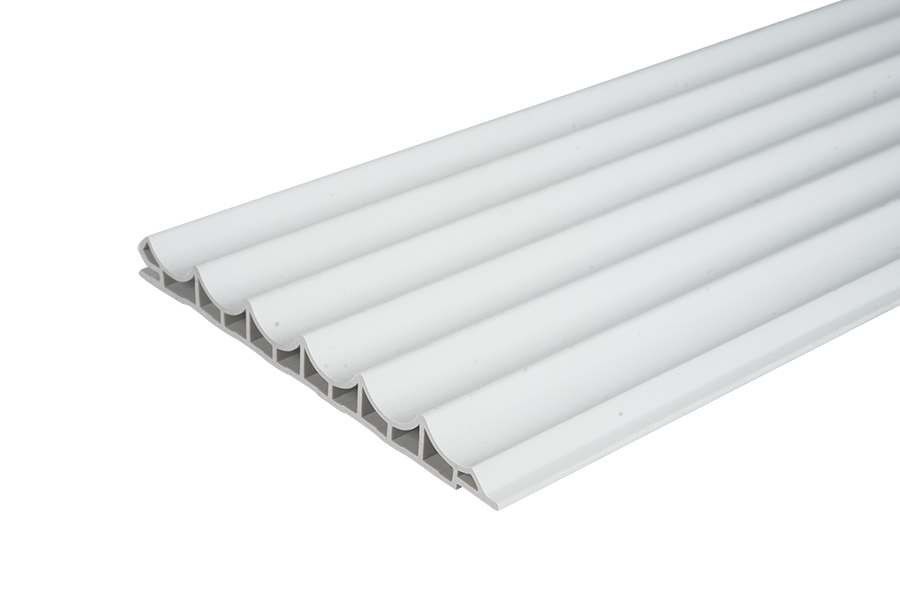
Wall cladding and feature panels use SPC boards for a waterproof, cleanable surface in wet areas and accent walls.
What Goes Wrong on a Cheap Board
The locking profile cracks during installation. A brittle core or a poorly milled profile causes it. A properly formulated core and a sharp cutter prevent it. The wear layer delaminates from the print. A weak lamination bond causes it. The board telemeters across the floor. A warped core or an unstable temperature during installation causes it.
An SPC board factory produces the rigid core that made the category grow. The limestone and the PVC form the stable base. The print and the wear layer sell it. Choose a factory that controls the core ratio, registers the emboss, and mills the lock to tolerance. The floor will look like wood and handle like plastic.