

 Español
 عربى
عربى русский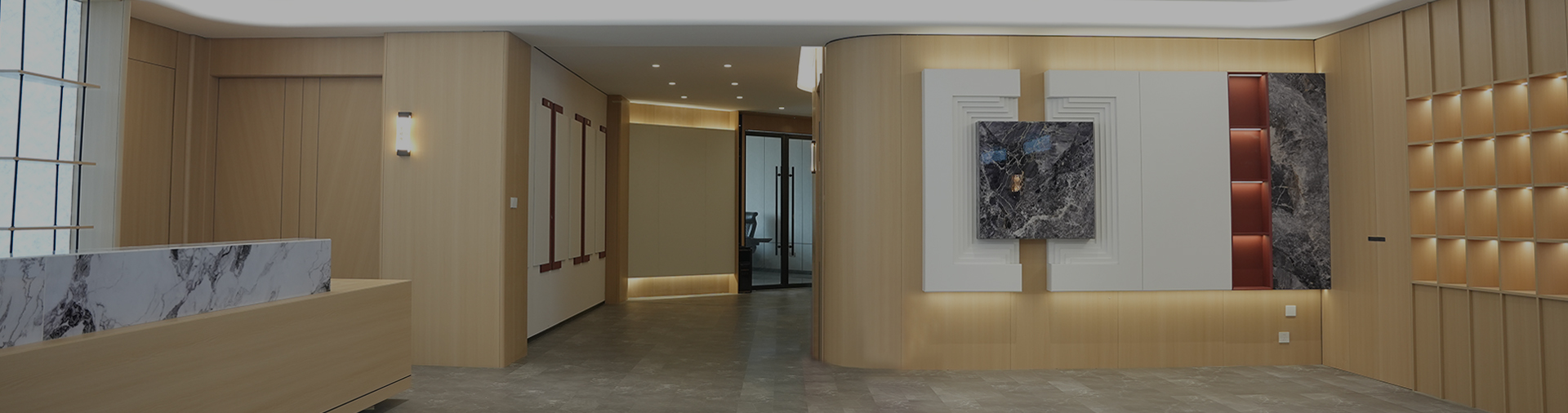
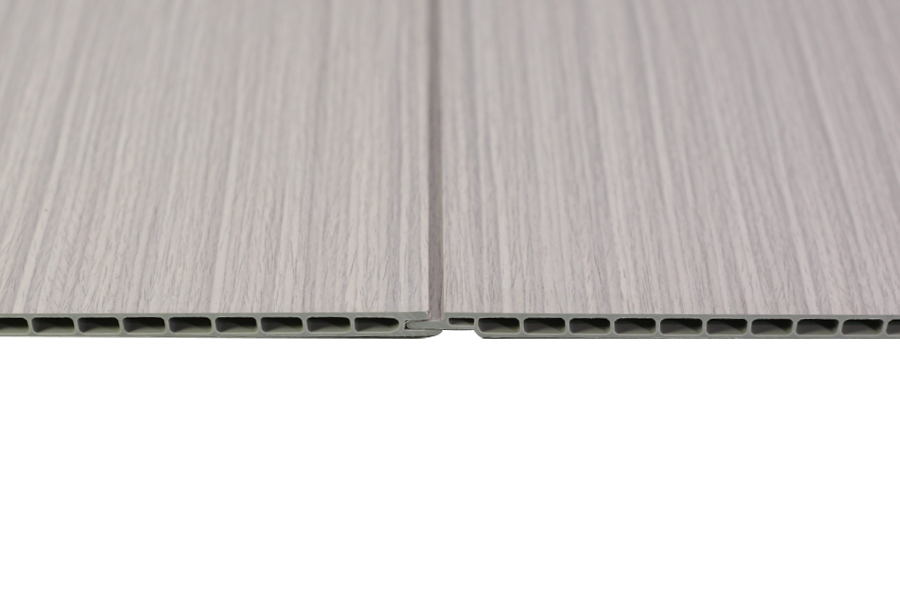
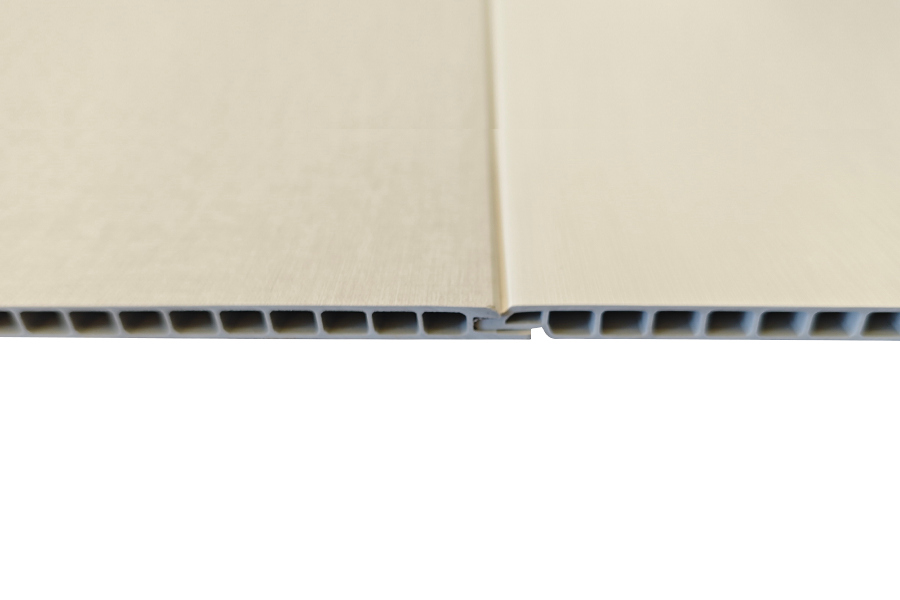
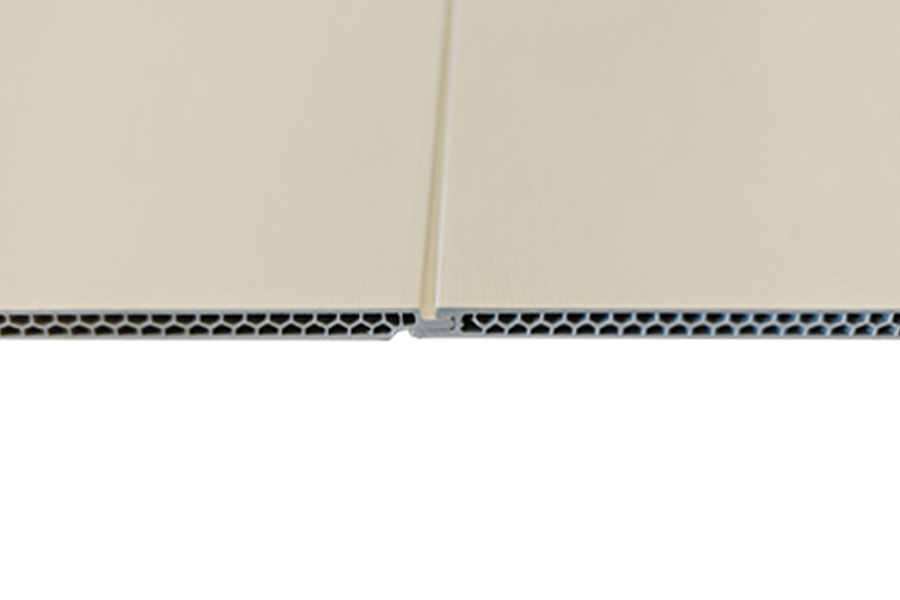
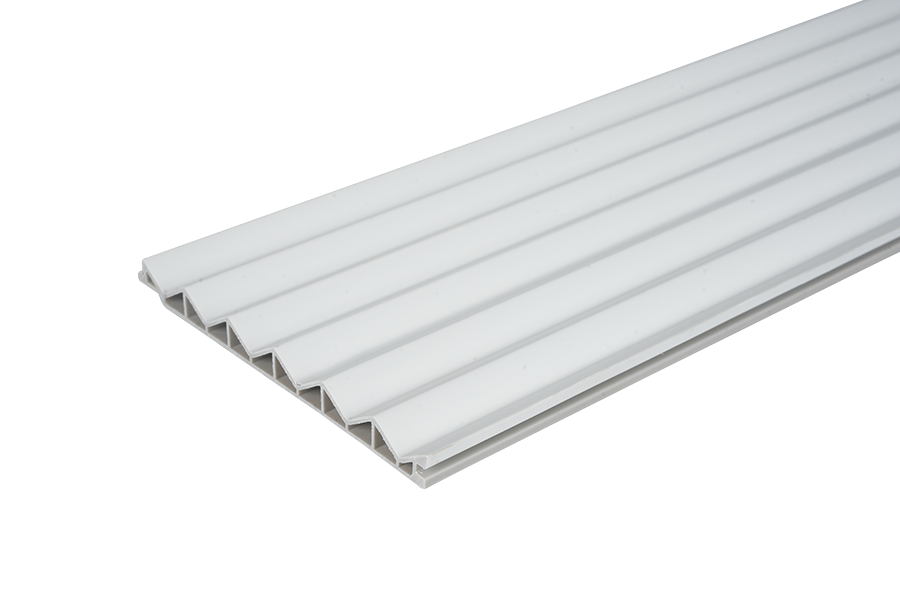
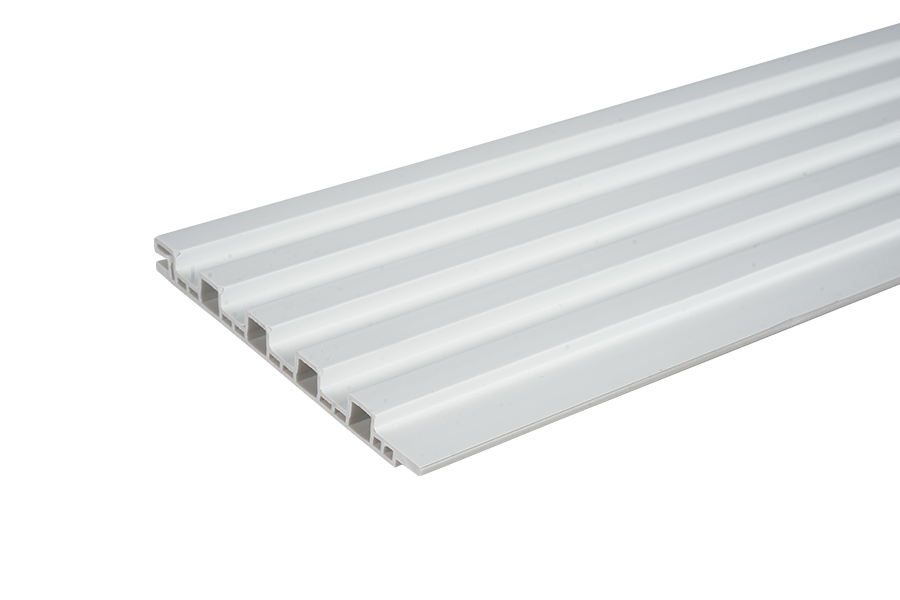
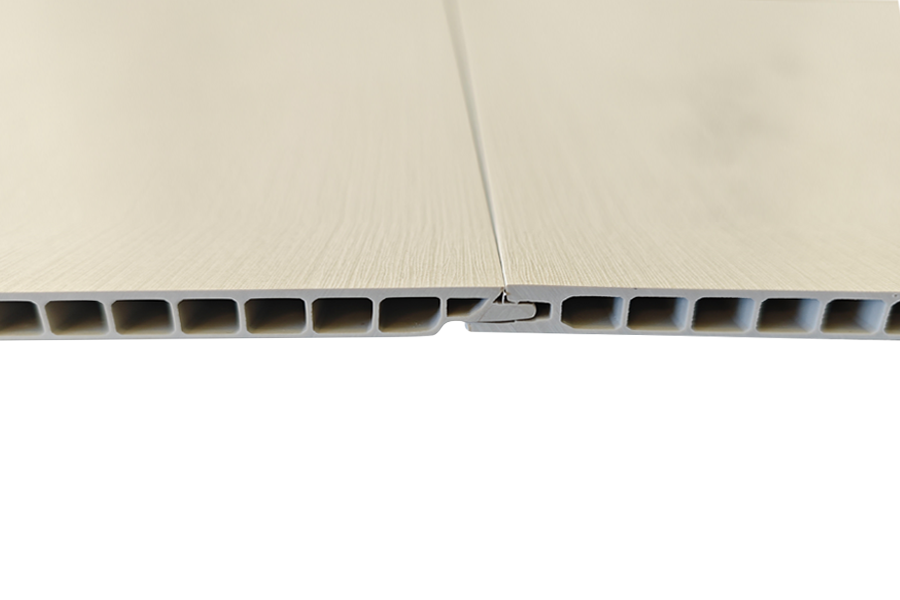
A wall panel has to cover the surface and look clean. A flat seam SPC square hole board does this with seams that sit flush and square holes that run through the board. SPC is stone plastic composite, the rigid core made from limestone and PVC. The square holes are the design. The flat seam is the installation. For feature walls, ceiling details, and any surface where the panel has to look like one continuous piece, the square hole board is the choice.
Limestone and PVC, Pressed Into a Board
The core is not wood. It is not gypsum. It is a mix of limestone powder and PVC resin, extruded under heat and pressure into a dense, rigid board. The limestone gives the weight and the stiffness. The PVC binds it and keeps it waterproof. A flat seam SPC square hole board with a properly formulated core stays flat when the humidity swings and the wall gets wet.
The board does not swell at the edges the way MDF does. It does not warp the way plywood does when the moisture gets in. A flat seam SPC square hole board in the bathroom or the kitchen stays the shape it was installed.
The thickness sets the stiffness. A thin board flexes. A thick board stays rigid across the span. A flat seam SPC square hole board with the right thickness for the wall or the ceiling holds its line.
Holes That Go All the Way Through
The square holes are punched or routed through the full thickness of the board. They are not printed. They are not embossed. They are actual openings. A flat seam SPC square hole board with the holes cut through lets the air move and the wall show.
The hole edges are the quality marker. A clean cut edge is sharp and smooth. A rough edge catches the light and the cloth. A flat seam SPC square hole board with properly machined holes looks finished up close.
The pattern repeats. The spacing and the alignment have to be consistent across the whole board. A flat seam SPC square hole board with a properly registered pattern creates the rhythm that makes the wall look designed.
Butt the Boards Together and the Joint Disappears
The flat seam is the installation trick. The boards are cut square, and they butt against each other without a tongue, a groove, or a visible gap. The joint is a hairline. A flat seam SPC square hole board with properly squared edges installs as one surface.
The fixing is hidden or small. Adhesive behind the board, screws at the edges, clips on the back. The point is that the seam does not open and does not show. A flat seam SPC square hole board with the right fixing method keeps the wall clean.
The hole pattern carries across the seam. The board edges are cut so the pattern aligns from one board to the next. A flat seam SPC square hole board with the pattern registered to the edges creates the continuous look.
Here is what a flat seam SPC square hole board needs to deliver:
- SPC core with moisture resistance
- Square holes cut clean through the board
- Pattern registration across the board and the seam
- Flat seam edges that butt without gaps
- Fixing method that holds the seam flat
- Thickness suited to the wall or ceiling
The Wall That Draws the Eye
The feature wall uses the square hole board as the texture. The holes create the pattern. The flat seam makes it look like one piece. A flat seam SPC square hole board on the feature wall is the surface that the eye goes to.
The ceiling uses the board for the visual weight and the airflow. The holes break up the flat plane. A flat seam SPC square hole board on the ceiling changes the feel of the room.
The commercial space uses the board on the walls that take the traffic. The SPC is tough. The holes do not collect the dust the way the relief textures do. A flat seam SPC square hole board in the shop or the office holds up.
The Edge That Chips
The hole edge chips because the cutting tool was dull or the core was brittle. A clean cut requires the right tool and the right core. The seam opens because the boards were not fixed or the edges were not square. A proper edge and a proper fixing method keep the seam closed. The board flexes off the wall because the adhesive was not enough or the board was too thin. A proper thickness and the right fixing hold.
A flat seam SPC square hole board covers the wall, lets the air through, and looks like one piece. The SPC stays flat. The holes breathe. The seams disappear. Choose a board with a clean hole pattern, a flat seam edge, and a core that holds. The wall will look designed and the joints will stay hidden. That is the point. That is what the square hole board is for.