

 Español
 عربى
عربى русский
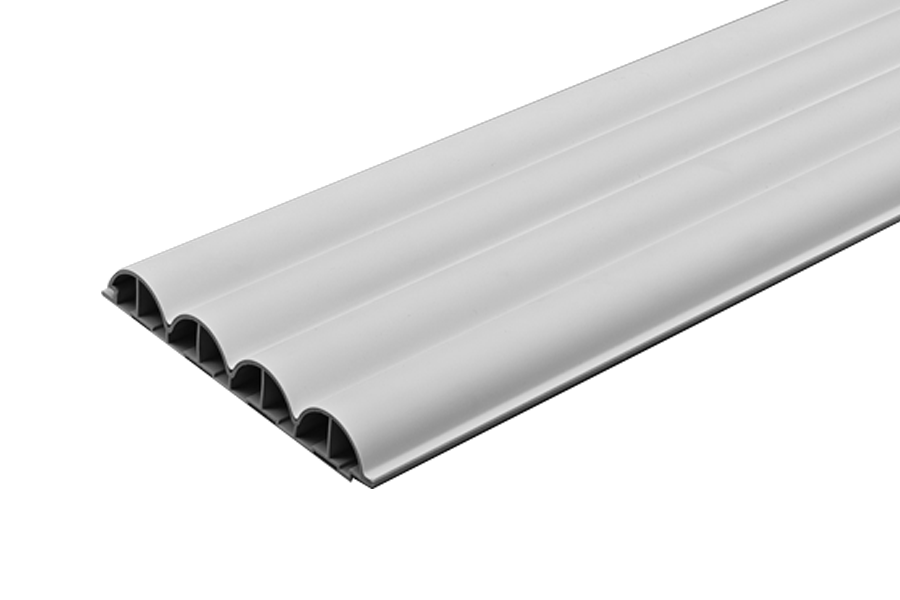
A flat wall bounces sound. A wave-shaped wall breaks it up. A modular wave acoustic panel does this with a curved or undulating surface that scatters and absorbs the sound at the same time. The panels are modular, so they fit together to cover a wall, a ceiling, or a section of the room. The wave shape is not just the look. It is the function. For offices, studios, and public spaces where the echo is a problem and the wall is a feature, the wave panel is the treatment that does both jobs.
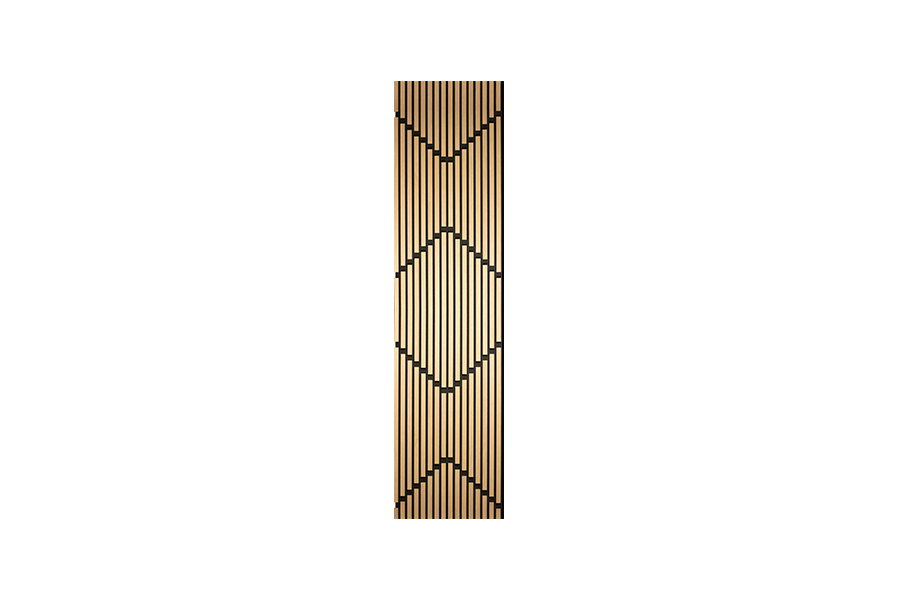
The Wave Shape That Works the Sound
The curved surface scatters the sound waves. Instead of bouncing straight back off a flat wall, the sound reflects at different angles. A modular wave acoustic panel with a properly designed curve breaks up the reflections and reduces the flutter echo.
The curvature also increases the surface area. A wave panel has more surface in the same wall footprint than a flat panel. More surface means more absorption if the panel is made with an absorptive core, and more scattering if the panel is reflective. A modular wave acoustic panel with the right curve for the room shapes the sound.
The wave pattern repeats across the modules. The panels fit together so the waves line up, or they are arranged so the waves shift. A modular wave acoustic panel with a repeating wave that installs cleanly covers the wall without gaps.
The Core and the Facing
The core is the sound-absorbing material, fiberglass, mineral wool, or polyester, shaped into the wave. The core does the absorbing. A modular wave acoustic panel with a dense core absorbs the mid and high frequencies that make the room echo.
The facing is the visible surface. It is an acoustically transparent fabric stretched over the wave, or a rigid perforated shell, usually wood or composite, that holds the wave shape. A modular wave acoustic panel with a rigid facing keeps the wave intact through the cleaning and the bumps.
The facing has to follow the curve without the wrinkles or the gaps. A modular wave acoustic panel with a properly applied facing looks like a designed surface, not a stretched cover.
The Modular Installation
The panels fit together on the wall. Each panel has the mounting system on the back, usually a cleat, a clip, or an adhesive. A modular wave acoustic panel with a simple mounting system installs in the pattern the designer intended.
The modules align edge to edge. The wave continues across the panel joints. A modular wave acoustic panel with edges cut so the wave matches at the seam creates the continuous surface.
The panels can be removed and rearranged. A modular wave acoustic panel that comes off the wall without damage serves the space that changes over time.
Here is what a modular wave acoustic panel needs to deliver:
- Wave shape that scatters and absorbs
- Dense core for sound absorption
- Facing that follows the curve without wrinkles
- Mounting system for clean installation
- Edges that align across the panel joints
- Removable for rearrangement
The Studio and the Lobby
The recording studio uses the wave panels to break up the reflections and control the room sound. The wave scatters, the core absorbs, and the studio gets the control it needs. A modular wave acoustic panel in the studio is the treatment on the walls.
The office lobby uses the wave panels as the feature wall. The sound treatment is built into the design. A modular wave acoustic panel in the lobby is the wall that works.
The restaurant and the cafe use the wave panels to cut the din while looking like the design intent. The panels cover the ceiling or the upper wall. A modular wave acoustic panel in the restaurant makes the conversation possible.
The Seam That Shows
The seam between the panels shows because the edges were not cut to match the wave. A properly cut edge aligns. The facing wrinkles because the fabric was not applied to the curve. A properly applied facing is smooth. The panel falls because the mounting was not up to the weight. A proper mounting system holds.
A modular wave acoustic panel turns the wall into the sound treatment. The wave scatters. The core absorbs. The modules install. Choose a panel with a proper curve, a dense core, and a facing that follows the shape. The room will sound better and the wall will look like it was meant to be that way. That is the point. That is what the wave panel is for.