

 Español
 عربى
عربى русский
Moisture is part of daily life indoors. It shows up in small ways. A wet footprint near the door. Steam drifting out of a bathroom. A spill that no one notices right away. Over time, these moments add up, and the materials in a space quietly respond.
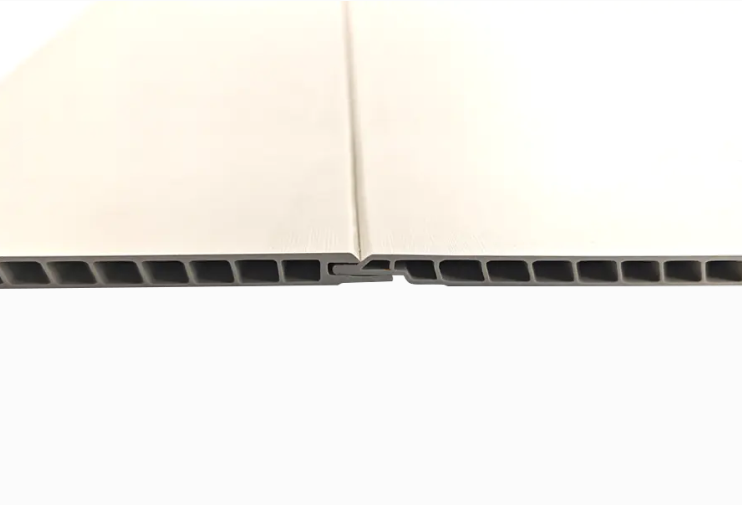
SPC boards have entered this conversation because of how they deal with those situations. People often ask whether they are waterproof, or how they behave in damp conditions. The answer is not just a yes or no. It depends on how water appears, how long it stays, and how the material is installed.
What happens when water sits on an SPC board?
In most homes or commercial spaces, water exposure is brief. A splash, a spill, or a bit of tracked-in rain. In these cases, SPC tend to hold up without much reaction.
Liquid usually stays on the surface instead of soaking in. This gives enough time to wipe it away. The board does not swell or change shape during that short window. Visually, nothing much happens.
The situation changes if water lingers. Not because the board suddenly absorbs it, but because water looks for paths. Edges, seams, or gaps can become entry points. Once water moves beyond the surface, it is no longer just about the board itself.
Does humidity affect SPC boards over time?
Humidity works differently from direct water. It is slower. Less visible. Sometimes it goes unnoticed until other materials start to react.
Boards are less sensitive to this kind of exposure. They do not rely on materials that expand easily when moisture is present in the air. Because of that, they tend to stay stable even when the environment shifts.
In rooms where humidity rises and falls throughout the day, this stability becomes more noticeable. Other surfaces may show slight movement. SPC usually remain unchanged to the eye.
That does not mean humidity has no effect at all. It simply means the response is limited, and often not obvious in everyday use.
Can they really be called waterproof?
This is where wording can be misleading. "Waterproof" sounds absolute, but real environments are rarely that simple.
SPC resist water in normal indoor conditions. They do not take in moisture easily, and they are not quick to show damage from spills. For most practical purposes, this is what people mean when they use the term.
Still, there are limits. Water that seeps into joints or sits for long periods may affect what lies beneath or around the boards. The material itself may remain unchanged, while other parts of the structure respond differently.
So the idea of waterproof works best when it is understood as resistance, not immunity.
Where do SPC boards make sense in damp spaces?
Their behavior around moisture has made them a common choice in areas where water is part of daily use.
A few examples make this easier to picture:
| Space | What usually happens there | How SPC boards react |
|---|---|---|
| Kitchen | Spills, cleaning, occasional splashes | Surface stays intact |
| Bathroom | Steam, humidity, light water contact | Holds shape with little change |
| Basement | Damp air, limited airflow | Remains steady in stable conditions |
| Entry area | Water from shoes, weather exposure | Handles repeated contact |
These are not extreme situations. They are ordinary, everyday conditions. That is where SPC tend to show their value.
What about mold and moisture-related issues?
Mold usually needs a few things to develop. Moisture is one of them, but not the only one. It also depends on what the material is made of and whether water gets trapped.
SPC do not easily hold moisture within their structure. That alone reduces the chance of mold forming on the surface. There is simply less for it to feed on.
Even so, problems can still appear in hidden areas. If water finds its way underneath or behind the boards and stays there, the surrounding materials may be affected. Ventilation and general conditions matter just as much as the board itself.
Does installation change how they perform?
Yes, more than people sometimes expect.
Even a material that resists water can run into issues if it is not installed carefully. Small gaps, uneven surfaces, or moisture in the subfloor can all influence the outcome.
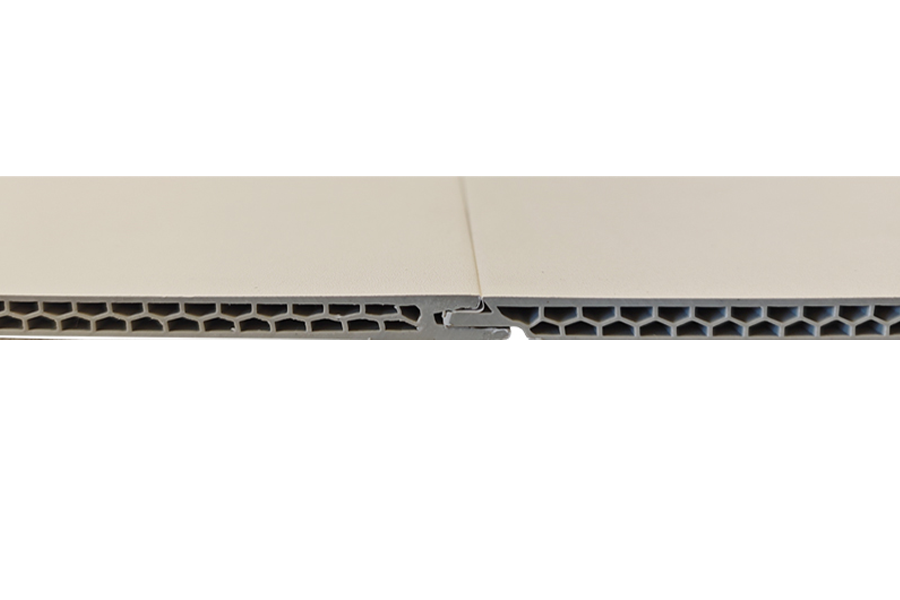
Edges and joints deserve attention. They are the most likely places for water to move through. When these areas are properly aligned, the risk becomes much lower.
There is also the matter of letting the material settle before installation. Bringing boards into the space and allowing them to adjust to the indoor environment can help avoid subtle changes later on.
Is maintenance something to worry about?
For most users, maintenance is fairly simple.
Cleaning usually involves wiping the surface and keeping it free from standing water. There is no need for complicated routines. This makes a difference in spaces where moisture appears often but briefly.
It helps to stay aware of certain spots. Corners, seams, and edges can be checked now and then. Not constantly, just enough to catch anything unusual early.
In day-to-day use, the material does not demand much attention. That is part of why it fits into so many different types of spaces.
How do SPC boards compare with other options?
Different materials deal with moisture in their own way. Some resist it on the surface but react underneath. Others absorb it slowly over time.
A simple comparison gives a general idea:
| Material type | Water behavior | Reaction over time | Effort to maintain |
|---|---|---|---|
| Wood-based boards | Takes in moisture | May change shape | Needs regular care |
| Laminate | Surface resists water | Inner layers may react | Moderate upkeep |
| SPC boards | Limits absorption | Stays stable in most cases | Easy to manage |
No material is completely unaffected by its environment. The difference lies in how noticeable that effect becomes.
What should people keep in mind before choosing SPC boards?
Moisture resistance is one part of a larger picture. It works together with how the space is used, how air moves through it, and how the material is installed.
SPC boards offer a way to deal with everyday moisture without much complexity. They do not remove the need for care, but they reduce how often problems appear.
In many interiors, that balance is enough. Not because conditions are controlled, but because the material adapts to them without drawing attention.