

 Español
 عربى
عربى русский
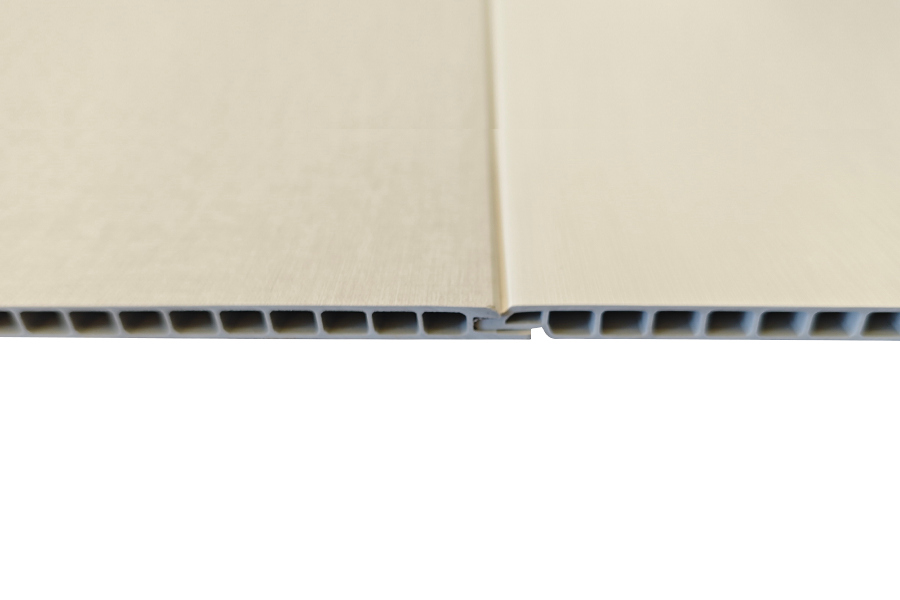
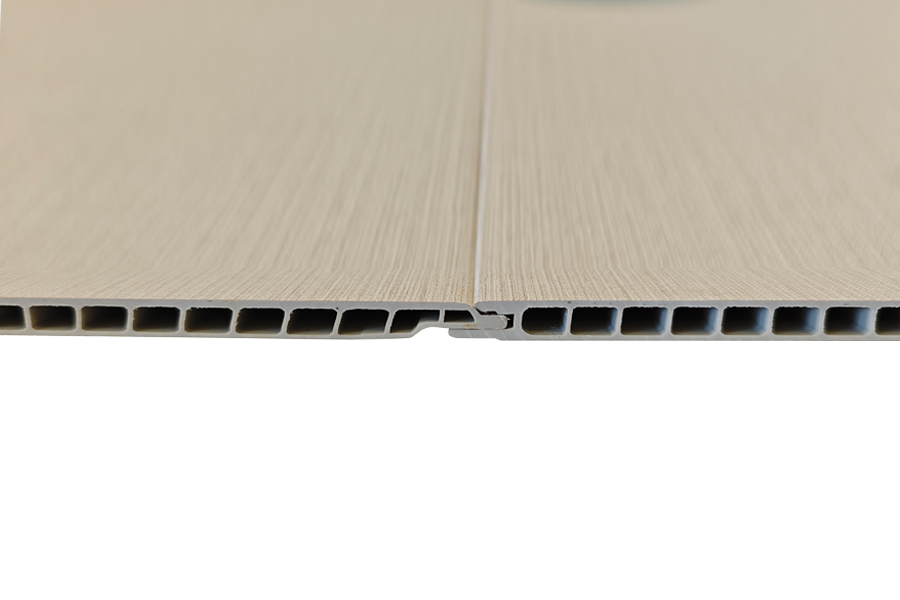
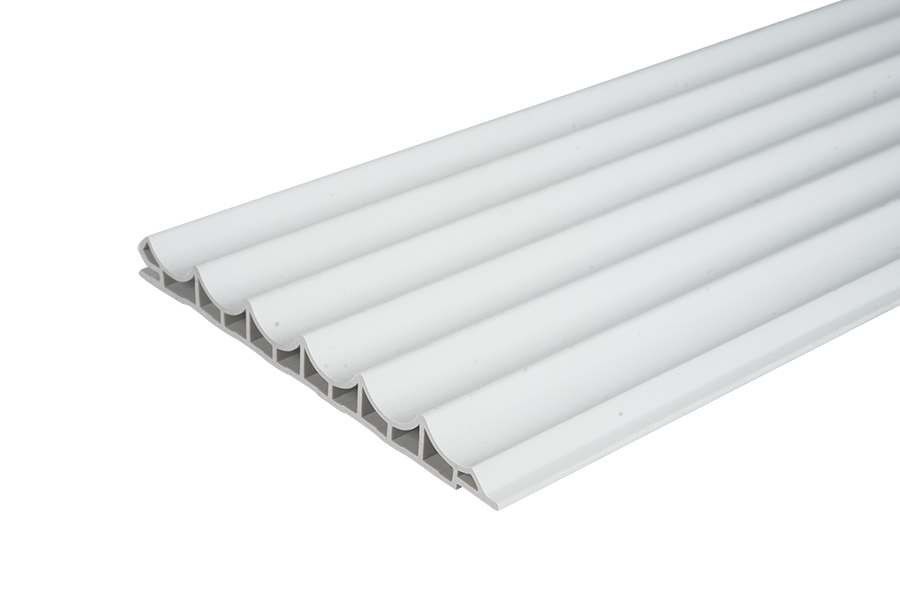
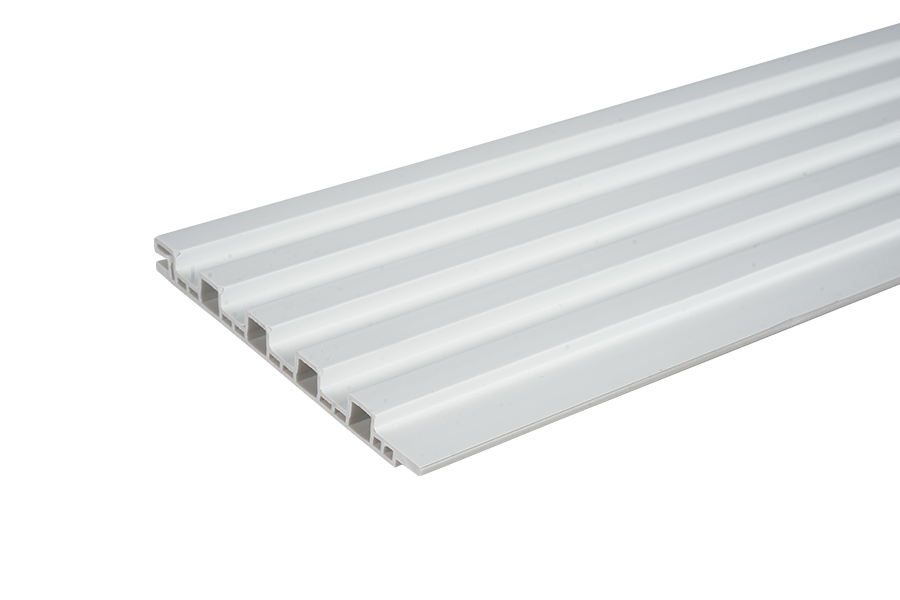
SPC soffit panels are quietly becoming part of many building projects. They are not usually the main focus of a structure, but they sit in an important position under roof edges and extended ceilings. In many cases, people only notice these areas when something looks unfinished. That is where soffit panels come in.
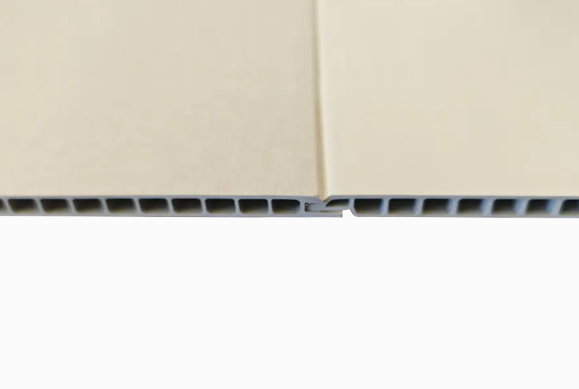
Instead of leaving the underside of roofs exposed, builders now tend to close these spaces with structured panels. SPC panels are one of the common choices for this purpose.
What exactly is an SPC soffit panel ?
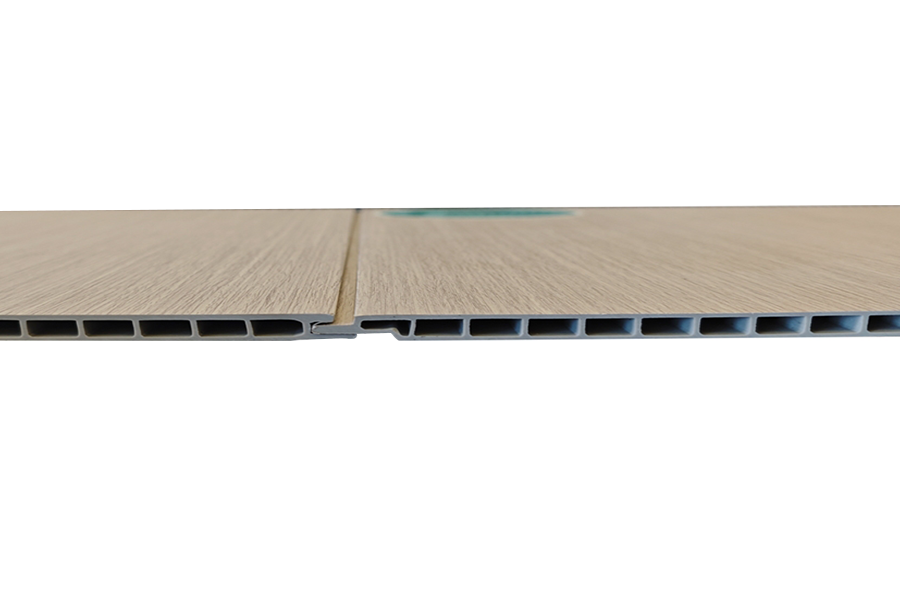
In simple terms, an SPC panel is a rigid board used under roof overhangs or similar building edges. It helps cover structural gaps while giving the underside a more finished appearance.
The material itself is based on a compact composite structure. It is formed by combining mineral content with a stable binding system. This gives the panel a firm body that does not easily lose shape during use.
These panels are usually installed horizontally under roof edges or balcony extensions. Once in place, they create a continuous surface that hides beams, joints, and other structural elements.
The surface can be kept smooth or given a light texture. In both cases, the goal is the same: make the underside look clean and consistent with the rest of the building.
Where do people use SPC soffit panels?
You will find SPC panels in different types of buildings.
In houses, they are often installed under roof edges where the roof extends beyond the wall line. This is a common area where structure is exposed and needs covering.
Balconies and small outdoor sitting spaces also use them. The panels help form a neat ceiling surface that feels more complete.
In commercial buildings, soffit panels appear in entrance covers, walkways, and loading areas. These are places where overhead protection and appearance both matter.
Public spaces also use them in covered corridors or waiting zones. The panels help create a more organized overhead structure without adding visual clutter.
Why are SPC soffit panels being used more often?
There are a few practical reasons behind their growing use.
One is stability. Roof underside areas are exposed to changing conditions like airflow and moisture in the surrounding environment. Materials used here need to stay in shape over time.
Another reason is appearance. Soffit areas are visible from ground level, especially in modern open designs. A flat and continuous surface makes the structure feel more complete.
Installation is also relatively straightforward. The panels can be arranged in aligned sections, which helps reduce uneven gaps during construction.
In many projects, builders prefer materials that do not require constant adjustment after installation. SPC panels fit into that requirement.
How are they different from older soffit materials?
Earlier materials used in soffit areas included wood-based boards and basic plastic sheets.
Wood has a natural look, but it reacts strongly to moisture and environmental change. Over time, it may shift or show surface wear.
Basic plastic materials are lighter but may not always stay rigid in long-term use.
SPC panels are designed to stay more stable in structure. They hold their shape better under normal outdoor conditions and reduce visible surface changes.
Another difference is consistency. Each panel is produced in a controlled way, so installation results tend to look more uniform.
How is installation usually done?
Installation starts with preparing a supporting framework under the roof or ceiling area.
Once the base is ready, panels are placed one by one in sequence. They are aligned carefully so the surface stays even across the entire section.
Some adjustments are made on site to match corners or building shapes. This is normal in construction work, since no two structures are exactly the same.
After installation, the panels form a continuous underside layer. They cover exposed areas and help complete the overall structure visually.
What kind of conditions do they face?
SPC panels are usually installed in semi-outdoor spaces. These areas are not fully exposed like exterior walls, but they still experience environmental changes.
Air movement is constant under roof extensions. Temperature and humidity can also shift depending on location.
The material is designed to remain stable under these normal conditions. It does not easily bend or lose shape in everyday use.
Because soffit areas are often overlooked, they still need materials that can quietly perform over time without frequent attention.
How do they affect building appearance?
Even though soffit areas are not the main visual focus, they still influence how a building feels.
SPC panels help smooth out the underside of roof structures. Instead of uneven gaps or visible framing, the surface becomes more uniform.
Design options allow them to match different building styles. Some projects prefer a simple, plain finish. Others use subtle textures to add detail without making it too noticeable.
Color choice also matters. A well-matched soffit area helps connect roof and wall sections visually, making the structure feel more balanced.
What influences long-term performance?
A few practical factors affect how these panels perform after installation.
Material stability is important. The panel needs to stay in shape without visible changes.
Installation quality also matters. If alignment is correct, the surface stays smooth over time.
Environmental exposure varies by project. Some buildings face stronger airflow or more open conditions than others.
Basic inspection from time to time helps maintain surface condition, especially in long-term use.
How are they used in modern building design?
Modern construction pays more attention to details that were once overlooked. Soffit areas are now part of that design thinking.
SPC soffit panels fit into this trend because they help manage both structure and appearance in a simple way.
They are not meant to stand out, but to support the overall look of the building. In many projects, that kind of quiet function is exactly what is needed.