

 Español
 عربى
عربى русский
Wet environments are harsh on building materials. Humidity. Splashes. Spills. Condensation. Without proper protection, it is a deterioration risk. A waterproof SPC panel brings resilience to these spaces. It resists water penetration. It maintains structural integrity. It makes cleaning easier and replacement less frequent.
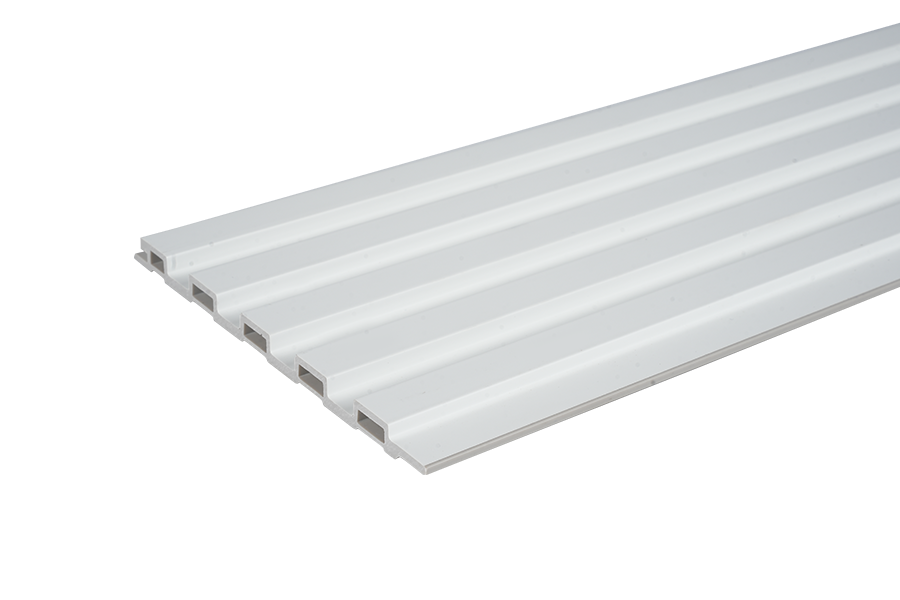
What Makes a Waterproof SPC Panel Perform
It utilises a closed-cell composite core
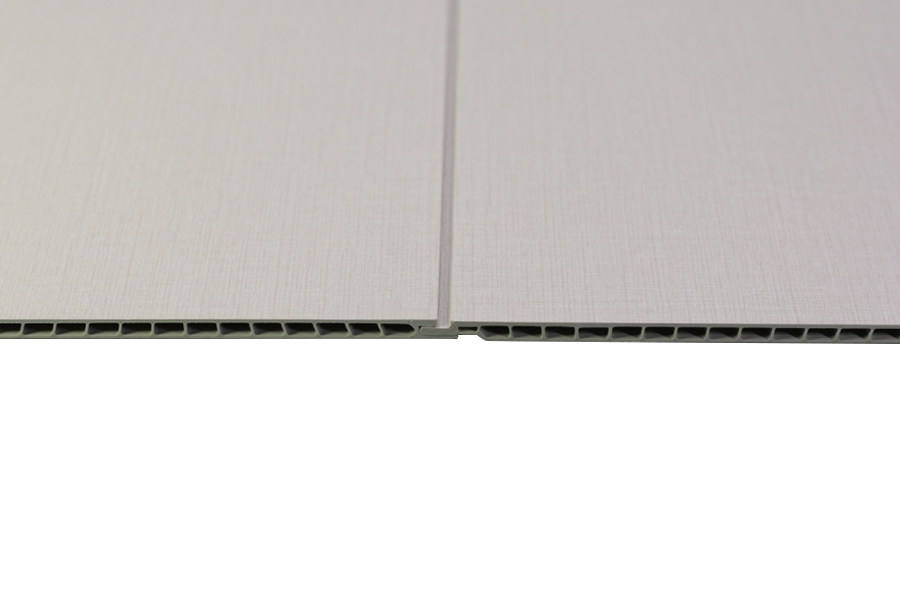
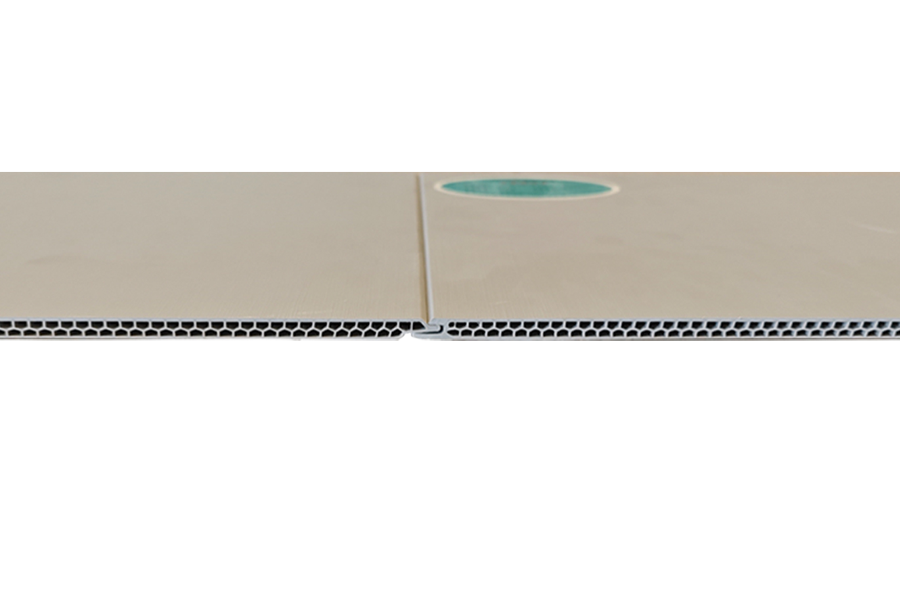
A waterproof SPC panel is constructed with a stone-plastic composite that contains no open voids. One side carries the decorative layer. The other side faces the wall or subfloor. The core is formulated to prevent capillary action. Water cannot travel through the material. Everything is sealed. Everything is impermeable.
The panel protects substrates from moisture damage. The installer places the panel over existing walls or floors. The substrate is shielded. No swelling. No delamination. No mould growth behind the surface.
It maintains dimensional stability when wet
When conventional materials absorb moisture, they expand. A waterproof SPC panel does not. The dimensional change is negligible. The panel retains its length, width, and thickness. Joints stay tight. Edges remain aligned.
What Goes into a Waterproof SPC Panel
The waterproof core
Each panel has a dense, mineral-filled core. A waterproof SPC panel uses calcium carbonate and PVC as the primary components. The formulation includes no water-absorbent fillers. The core density is consistent throughout the thickness.
The sealed surface layer
The top surface is a printed film with a clear wear coating. A waterproof SPC panel bonds the film under heat and pressure. The surface is non-porous. Liquids bead up on the surface. Spills do not penetrate.
The moisture-barrier backing
The underside carries a foam or polymer layer. A waterproof SPC panel includes this backing to prevent vapour transmission from the substrate. The barrier stops rising damp. It isolates the panel from residual moisture in concrete or plaster.
The joint protection
The edge profiles are designed to minimise water ingress. A waterproof SPC panel uses a tight tongue-and-groove or click system. The joints are not completely sealed, but the tight fit reduces capillary draw. The panel system includes edge sealants for wet zones.
Here is what a typical panel offers:
- Water absorption rate below 0.5% (ASTM D570)
- Thickness swell less than 0.2% after 24-hour immersion
- Surface contact angle above 90° for water beading
- Joint gap below 0.3mm under normal conditions
- Backing vapour transmission rate under 0.5 perms
Where a Waterproof SPC Panel Excels
Bathroom and shower areas
These spaces face constant humidity and direct splashes. A waterproof SPC panel lines the walls. The panel does not warp. Grout lines are eliminated. Cleaning is quick.
Commercial kitchens
Cooking areas produce steam, grease, and frequent washing. A waterproof SPC panel clads the backsplash and prep areas. The surface resists staining. It withstands chemical cleaners.
Laundry rooms
Detergents and accidental overflows are common. A waterproof SPC panel covers the walls around machines. The panel protects drywall from water damage.
Basement finishes
Below-grade spaces have vapour drive through concrete. A waterproof SPC panel provides a finished surface that does not absorb ground moisture. The panel does not support mould growth.
Hospitality wet areas
Hotel bathrooms and spa facilities require durable, hygienic finishes. A waterproof SPC panel meets these demands. The panel withstands daily cleaning with sanitisers.
What to Evaluate in a Waterproof SPC Panel
The water absorption rating
The panel must be tested to recognised standards. A waterproof SPC panel with absorption below 0.5% is suitable for wet zones. Higher absorption indicates potential swelling.
The edge swell after exposure
The panel edges are the most vulnerable points. A waterproof SPC panel should show small edge swell after extended moisture contact. The joint remains functional.
The surface resistance to stains
The wear layer must resist common contaminants. Coffee, wine, oil, and bleach. A waterproof SPC panel with a tested stain rating maintains its appearance.
The antimicrobial protection
Mould and mildew require a food source. A waterproof SPC panel that incorporates antimicrobial additives resists biological growth. The protection is built into the formulation.
Here is what makes a reliable panel:
- Water absorption below 0.5%
- Dimensional change under 0.2% in wet conditions
- Non-porous surface with good beading
- Joint stability after repeated wetting
- Antimicrobial additives in the core or coating
Why Performance in Wet Conditions Matters
A poor panel causes hidden damage
Water seeps through joints. The core swells. The decorative layer separates. The wall behind the panel deteriorates. A waterproof SPC panel that fails in wet conditions leads to costly remediation. The damage is not visible until it is extensive.
A good panel reduces long-term maintenance
No repainting. No grout replacement. No sealant reapplication. A waterproof SPC panel maintains its appearance and function for years. The surface cleans with a damp cloth.
A good panel protects structural components
The underlying wall remains dry. The framing stays sound. Insulation retains its R-value. A waterproof SPC panel acts as a sacrificial barrier that preserves the building envelope.
A waterproof SPC panel is a single component in interior finishing. But it determines whether a wet space stays functional or develops problems. It decides whether maintenance frequency is annual or every few years. Choose a panel with verified water absorption, edge stability, and antimicrobial properties. Your wet areas will stay cleaner. Your building structure will last longer. That is the value of a waterproof SPC panel. To make moisture-prone interiors dependable and maintainable.