

 Español
 عربى
عربى русский
Exterior finishing materials are under constant pressure. Heat, humidity, dust, rain exposure, and daily temperature changes all affect how a product performs after installation. That is why soffit materials are no longer chosen only for appearance. They also need to stay stable, easy to maintain, and workable across different building styles.
This is where the SPC Soffit Panel is getting more attention in current construction and renovation projects. It combines decorative appeal with a more rigid and durable structure, making it suitable for soffit and exterior ceiling applications where both performance and visual consistency matter.
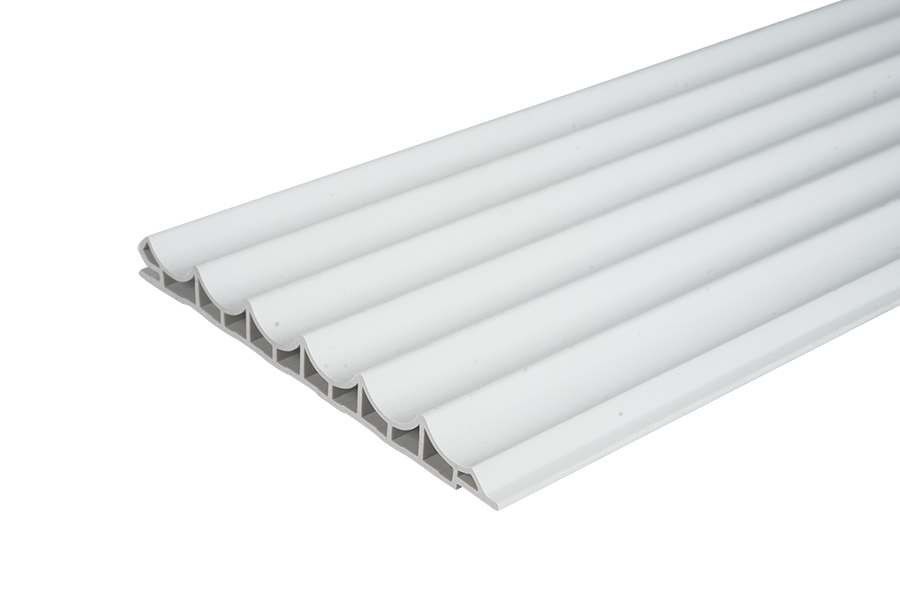
What is an SPC Soffit Panel?
SPC Soffit Panel is a rigid decorative panel made from a stone-plastic composite structure. The material is typically produced using stone powder, PVC, and functional additives that support dimensional stability and surface durability.
Unlike conventional decorative ceiling materials that may react poorly to outdoor exposure, this type of panel is designed to offer a stronger balance between appearance and long-term use.
Its structure usually includes:
- a rigid SPC core
- a decorative surface layer
- a protective wear-resistant top coating
This combination allows the panel to present a clean visual finish while supporting practical use in exterior soffit areas.
Why Are Soffit Materials Often a Problem?
Soffit zones are easy to overlook during material planning, but they are constantly exposed to environmental stress. Once the wrong material is installed, problems usually appear in visible and frustrating ways.
Common Soffit Material Issues Include:
- surface fading or aging
- warping caused by moisture or heat
- difficult maintenance
- uneven appearance over time
- installation inefficiency
- limited design options
These issues affect not only the look of the building but also long-term upkeep. That is why many project teams now look for alternatives that can support both function and appearance more effectively.
How Does SPC Soffit Panel Help Solve These Problems?
The value of the SPC Soffit Panel is not just in how it looks on day one. It is in how it continues to perform after installation, especially in areas exposed to changing weather and regular environmental contact.
Stable Structure for Exterior Conditions
One of the practical strengths of this material is its rigid core. That structure helps the panel stay more stable when used in exterior ceiling and soffit applications.
For soffit zones, structural stability matters because these areas often experience:
- sun exposure
- moisture in the air
- temperature changes between day and night
- dust accumulation
- Repeated cleaning or maintenance access
A soffit panel should not create unnecessary maintenance concerns after a short period of use. This is one reason the material is being specified more often in modern exterior finishing projects.
Why Do Installers Pay Attention to Material Handling?
Exterior finishing work often depends on speed, alignment accuracy, and manageable installation processes. A material that is difficult to transport, position, or fit can quickly create delays.
Easier to Handle During Project Work
A major advantage of SPC Soffit Panel is that it offers a solid decorative finish without the installation difficulty associated with some heavier or less flexible exterior ceiling materials.
This can help with:
- easier panel handling
- cleaner layout work
- smoother alignment
- faster on-site progress
Exterior building materials are expected to work harder than before. They need to support modern design while staying practical under changing weather and long-term use.
That is exactly why SPC Soffit Panel is becoming a more relevant option in soffit and overhead exterior applications. It offers a useful mix of decorative flexibility, structural stability, moisture resistance, and easier maintenance for both residential and commercial projects.