

 Español
 عربى
 русский
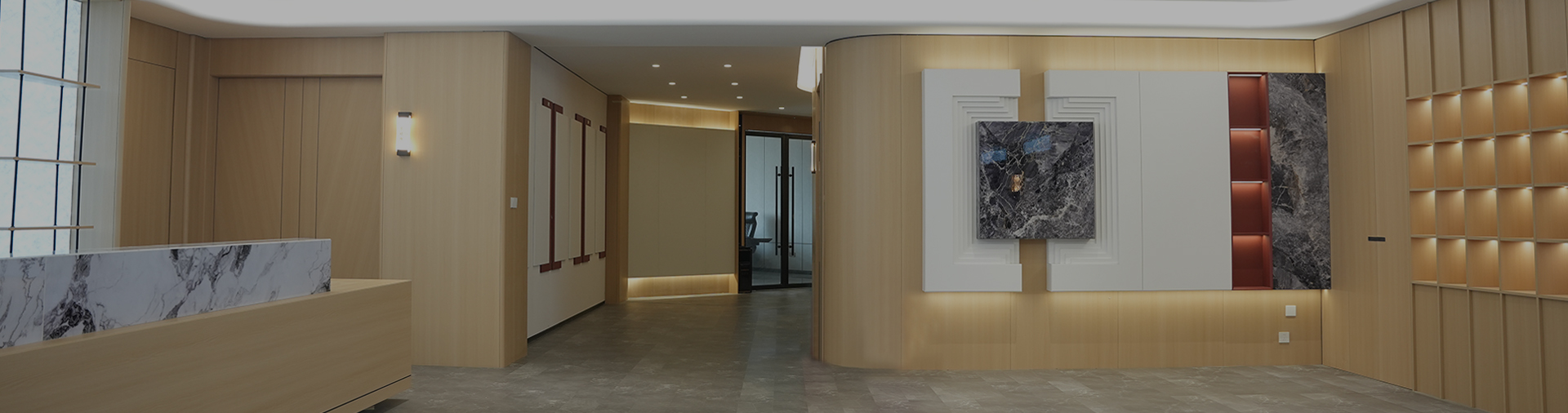
Durable acoustic panels are sound-absorbing panels built to withstand physical wear, moisture, and repeated handling. They are used in gyms, schools, offices, and industrial spaces where standard acoustic panels would degrade or fail. The panels maintain their acoustic performance over time. Manufacturers report steady demand from commercial, institutional, and industrial markets. The difference between a standard panel and a durable panel is how it holds up after years of use. A standard panel may absorb sound well on day one. A durable panel absorbs sound well on day one thousand.
The Panel Maintains Acoustic Performance Over Time
The core resists compression and sagging
Standard acoustic panels compress and sag over time. A durable acoustic panel manufacturer uses high-density core materials that hold their shape. The panel maintains its thickness and absorption performance. Fiberglass and stone wool are common core materials. Denser cores resist compression better than lighter cores.
The surface resists dust and impact
Dust fills pores and reduces absorption. A durable acoustic panel manufacturer uses facings that resist dust accumulation. The facings also protect the core from impact. Fabric facings are common in offices. Perforated metal facings are used in gyms and industrial spaces. Micro-perforated wood facings are used where appearance matters.
The panel resists moisture and humidity
Moisture degrades some acoustic materials. A durable acoustic panel manufacturer uses moisture-resistant cores and facings. The panel works in humid environments. Swimming pools, locker rooms, and food processing areas need moisture-resistant panels.
Common specs for durable acoustic panels:
- Core materials: high-density fiberglass, stone wool, polyester
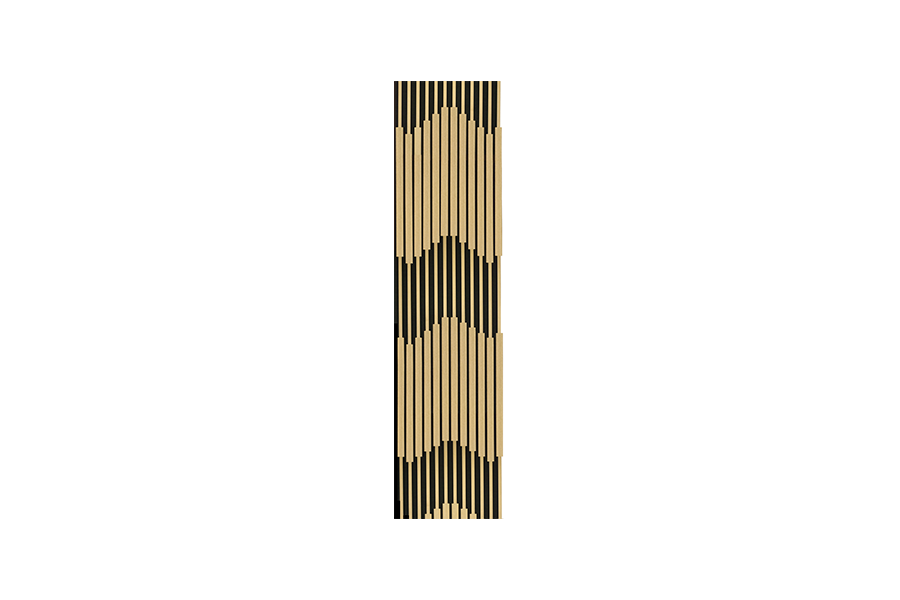
- Facing: fabric, perforated metal, micro-perforated wood
- NRC: 0.70 to 0.95
- Thickness: 20mm to 100mm
- Fire rating: Class A or B
- Moisture resistance: available
Commercial and Institutional Markets Drive Demand
Gyms and sports facilities need impact-resistant panels
Gyms are loud and active. Balls hit the walls. Equipment bumps the panels. A durable acoustic panel manufacturer supplies panels that resist impacts from balls and equipment. The panels absorb sound without breaking.
Schools need panels that survive student contact
Classrooms and hallways take abuse. Students lean on walls. Backpacks scrape the panels. A durable acoustic panel manufacturer provides panels that resist damage from daily use. The panels maintain their appearance through the school year.
Offices need panels that maintain appearance
Offices need sound control and clean looks. A durable acoustic panel manufacturer supplies panels that resist dust and stains. The fabric facings are cleanable. The panels look new after years of use.
Industrial spaces need panels that handle harsh conditions
Factories are dusty and humid. Standard panels fail in these conditions. A durable acoustic panel manufacturer provides panels that maintain performance in these environments. The facings resist dust. The cores resist moisture.
Buyers Focus on NRC, Core Density, and Facing Durability
NRC determines acoustic performance
Higher NRC means more absorption. A durable acoustic panel manufacturer provides NRC data for each panel. The NRC is tested in a reverberation chamber. The data shows performance across frequencies.
Core density affects compression resistance
Denser cores resist sagging. A durable acoustic panel manufacturer specifies core density. Higher density means the panel holds its shape under load. Lower density means the panel is lighter and cheaper.
Facing durability affects how long the panel lasts
Durable facings resist dust and impact. A durable acoustic panel manufacturer offers different facing materials. Perforated metal facings are the most durable. Fabric facings are less durable but easier to clean.
Fire rating must meet building codes
Commercial buildings require fire-rated materials. A durable acoustic panel manufacturer provides panels that meet fire standards. Class A is the high rating.
Moisture resistance affects performance in humid areas
Humid environments degrade some panels. A durable acoustic panel manufacturer offers moisture-resistant options. The cores and facings are treated to resist moisture.
Durable Acoustic Panels Maintain Performance for Years
The panel doesn't sag or compress
High-density cores hold their shape. A durable acoustic panel manufacturer produces panels that keep their thickness. The acoustic performance doesn't degrade.
The panel resists dust and impact
Facings protect the core. A durable acoustic panel manufacturer supplies panels that maintain absorption. The facings can be cleaned without damaging the core.
The panel resists moisture
Moisture-resistant materials extend panel life. A durable acoustic panel manufacturer provides panels that work in humid conditions. The panels don't swell or degrade.
Durable acoustic panels are used in gyms, schools, offices, and industrial spaces. Buyers prioritize NRC, core density, and facing durability. Durable acoustic panel manufacturers continue to offer different core materials, facings, and thicknesses to meet the needs of different applications.