

 Español
 عربى
عربى русский
Noise is a problem in many spaces. Open offices. Restaurants. Recording studios. Home theaters. Hard surfaces reflect sound. Echoes bounce around. A acoustic panel factory produces panels that absorb sound. They quiet the room. They are easy to install.
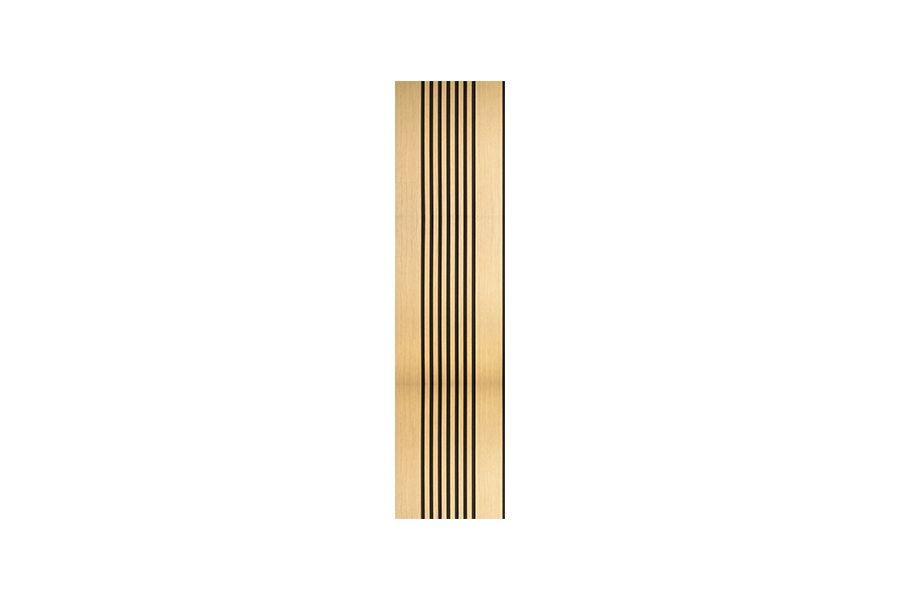
What an Acoustic Panel Does
The panel absorbs sound waves, not blocks them
Sound waves hit the panel. The panel absorbs the energy. The waves do not bounce back. An acoustic panel reduces echo and reverberation. It makes speech clearer. It makes music sound better.
The panel does not block sound from passing through walls. It controls sound inside the room. It is for acoustics, not soundproofing.
The panel is made of porous material
Acoustic panels are made of foam, fiberglass, or polyester. The material has air gaps. Sound waves enter the gaps. The energy dissipates as heat. An acoustic panel with dense material absorbs more sound.
Where Acoustic Panels Get Used
Offices and workspaces
Open offices are noisy. Conversations carry. An acoustic panel on the walls or ceiling absorbs the sound. Workers hear less noise. They concentrate better.
Restaurants and cafes
Hard surfaces in restaurants reflect noise. An acoustic panel absorbs the sound. Customers hear each other. They stay longer.
Recording studios
Studios need controlled acoustics. An acoustic panel absorbs reflections. The sound is clean. The recording is clear.
What to Look for in Acoustic Panels
Material
Foam is light. It absorbs high frequencies. Fiberglass absorbs mid and low frequencies. Polyester is durable. It is easy to clean. An acoustic panel with the right material matches the application.
Thickness
Thicker panels absorb more sound. A 2-inch panel works for general use. A 4-inch panel absorbs more bass. An acoustic panel with the right thickness works better.
Fire rating
Acoustic panels must meet fire codes. Class A is the high rating. An acoustic panel with a Class A fire rating is safe for commercial use.
NRC rating
NRC stands for Noise Reduction Coefficient. It measures absorption. A 1.0 NRC absorbs all sound. A 0.0 NRC absorbs none. An acoustic panel with a high NRC works better.
Here is what to check:
- Material — foam, fiberglass, or polyester
- Thickness — 2 inches or more
- Fire rating — Class A
- NRC — 0.75 or higher
Where Acoustic Panels Get Installed
Walls
Panels mount on walls. They are easy to install. An acoustic panel on the wall absorbs reflections. The room sounds better.
Ceilings
Ceilings are large surfaces. They reflect sound. An acoustic panel on the ceiling absorbs sound before it bounces around.
Free-standing
Some panels stand on the floor. They act as room dividers. An acoustic panel that is free-standing is portable. It moves where needed.
What Goes into Manufacturing Acoustic Panels
Material preparation
The raw material is cut to size. Foam is cut with a hot wire. Fiberglass is cut with a knife. An acoustic panel factory uses automated cutting equipment.
Wrapping
The material is wrapped in fabric. The fabric is breathable. It lets sound through. An acoustic panel with tight fabric absorbs less sound.
Quality Control in an Acoustic Panel Factory
Dimensional accuracy
The panels must be the right size. They must fit the mounting system. An acoustic panel factory checks every batch.
Acoustic testing
Samples are tested for NRC. The panel absorbs the rated sound. An acoustic panel factory verifies performance.
Fire testing
Panels are tested for fire resistance. They meet the required rating. An acoustic panel factory ensures safety.
Why Choose Acoustic Panels
Easy installation
Panels are lightweight. They mount with clips or adhesive. An acoustic panel installs quickly. No construction mess.
Effective sound control
Panels reduce echo. They improve speech clarity. An acoustic panel makes the room quieter.
Aesthetic appeal
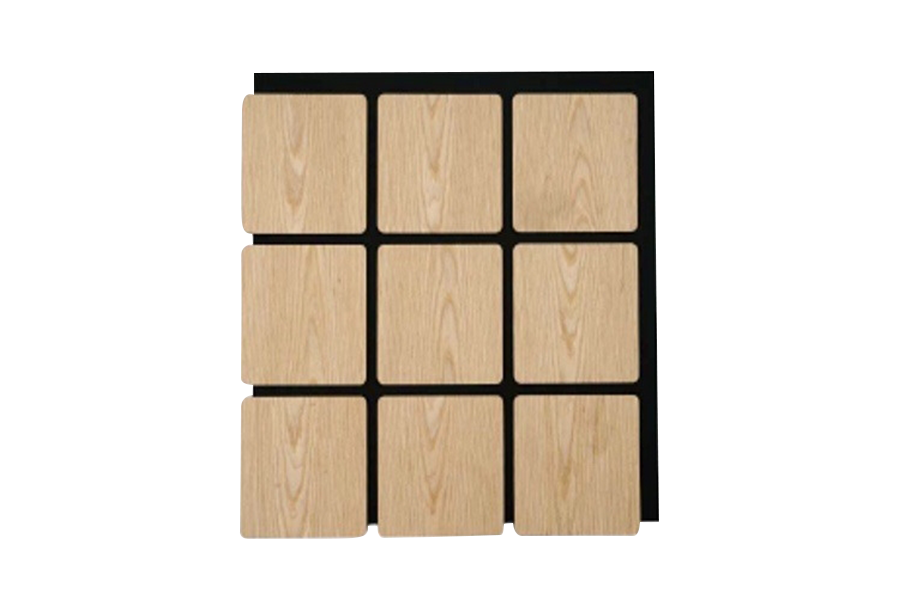
Panels come in many colors and shapes. They look good on walls. An acoustic panel adds a design element.
Aesthetic Appeal of Acoustic Panels
Color options
Panels are available in many colors. Gray, black, white, blue, green. An acoustic panel can match any decor.
Shapes and patterns
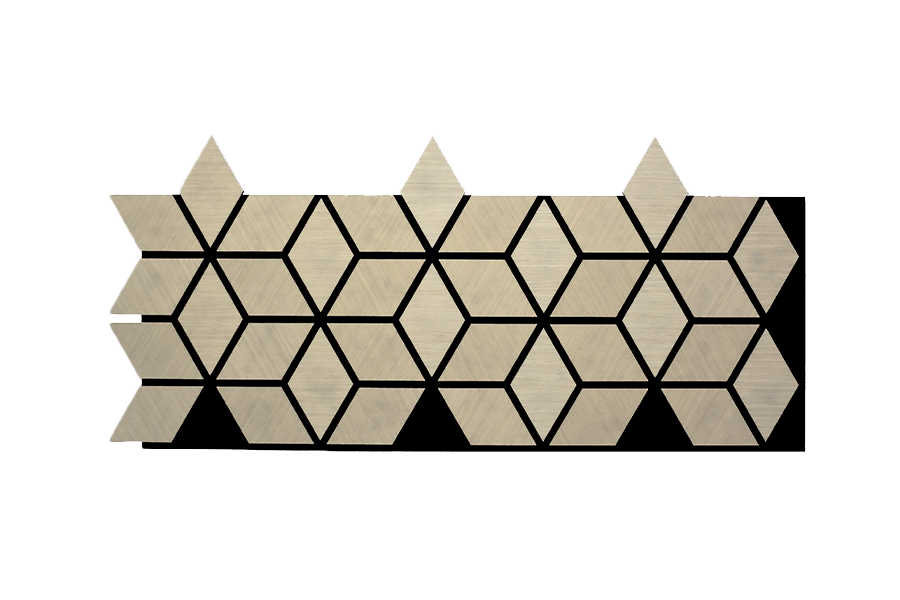
Standard panels are rectangular. Custom shapes are available. An acoustic panel can be a design feature.
Fabric choices
Different fabrics have different textures. Some are smooth. Some are woven. An acoustic panel can fit any aesthetic.
An acoustic panel is an effective way to control sound. It absorbs reflections. It improves clarity. It reduces noise. Choose the right material, thickness, and NRC. Install them on walls or ceilings. They are easy to put up. They make a noticeable difference. A good acoustic panel works well and looks good. That is what an acoustic panel delivers. Better sound. Quieter spaces. Satisfied people.